










Last updated: Thursday, June 25, 2026
Selecting eyewear is a process that extends way beyond choosing a stylish frame. When you put the frames on your face, the lenses are the ones that actually correct your vision. Your eyes are your major windows to the world. Thus, selecting the type of eyeglasses lens is a choice that will influence both your comfort in day-to-day activities and your long-term eye health.
The best eyeglasses lens will depend on a combination of things. These factors include your prescription strength, your age, and your daily environment. Our eyes are more demanding than ever in the modern world. We are changing smartphones to laptop screens. We shift out of sunny offices into dark driving situations. Each of these circumstances calls for a specific type of lens for eyeglasses.
Making the incorrect decision might cause headaches and eye strain. Additionally, you can experience physical discomfort or clouded eyesight. You may navigate the enormous world of vision lenses with the help of our comparative guide. We will talk about the technology, materials, and designs that have contributed to the effectiveness of modern eyeglasses.
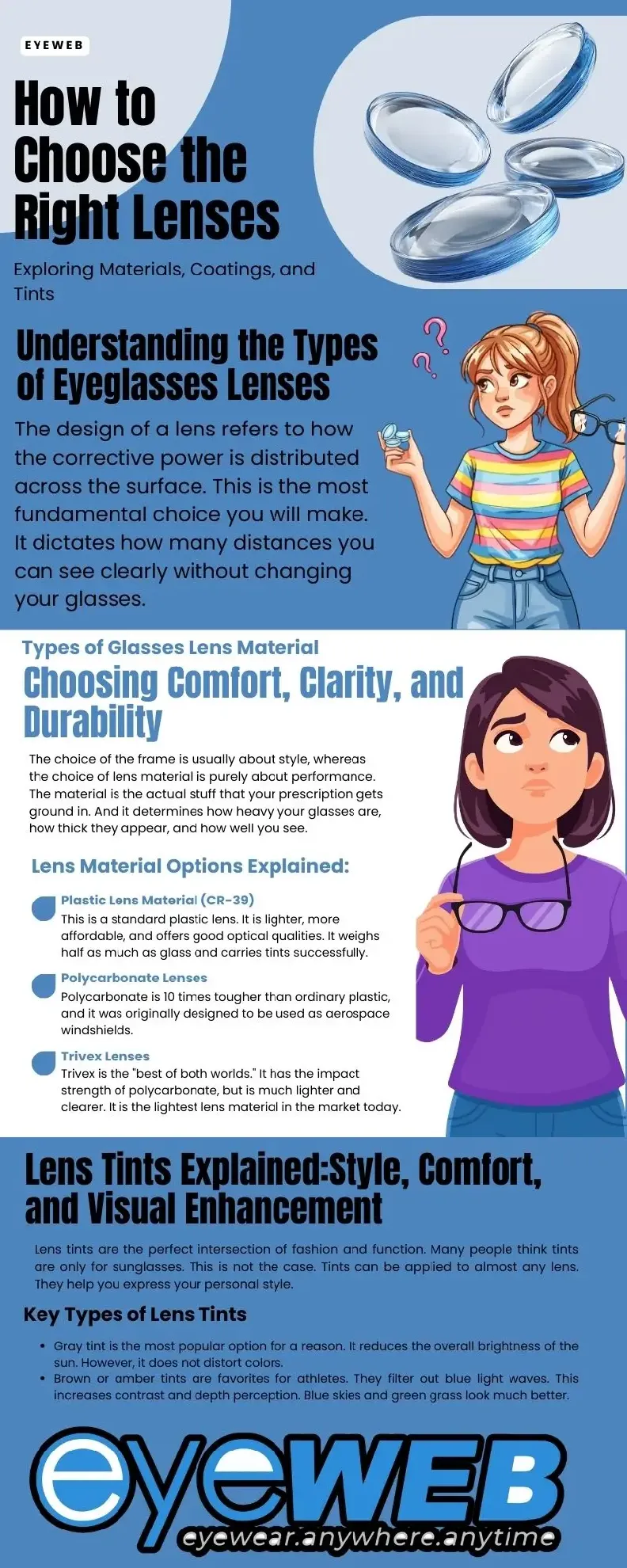
Understanding the Types of Eyeglasses Lenses
The design of a lens refers to how the corrective power is distributed across the surface. This is the most fundamental choice you will make. It dictates how many distances you can see clearly without changing your glasses.
Single Vision Lenses
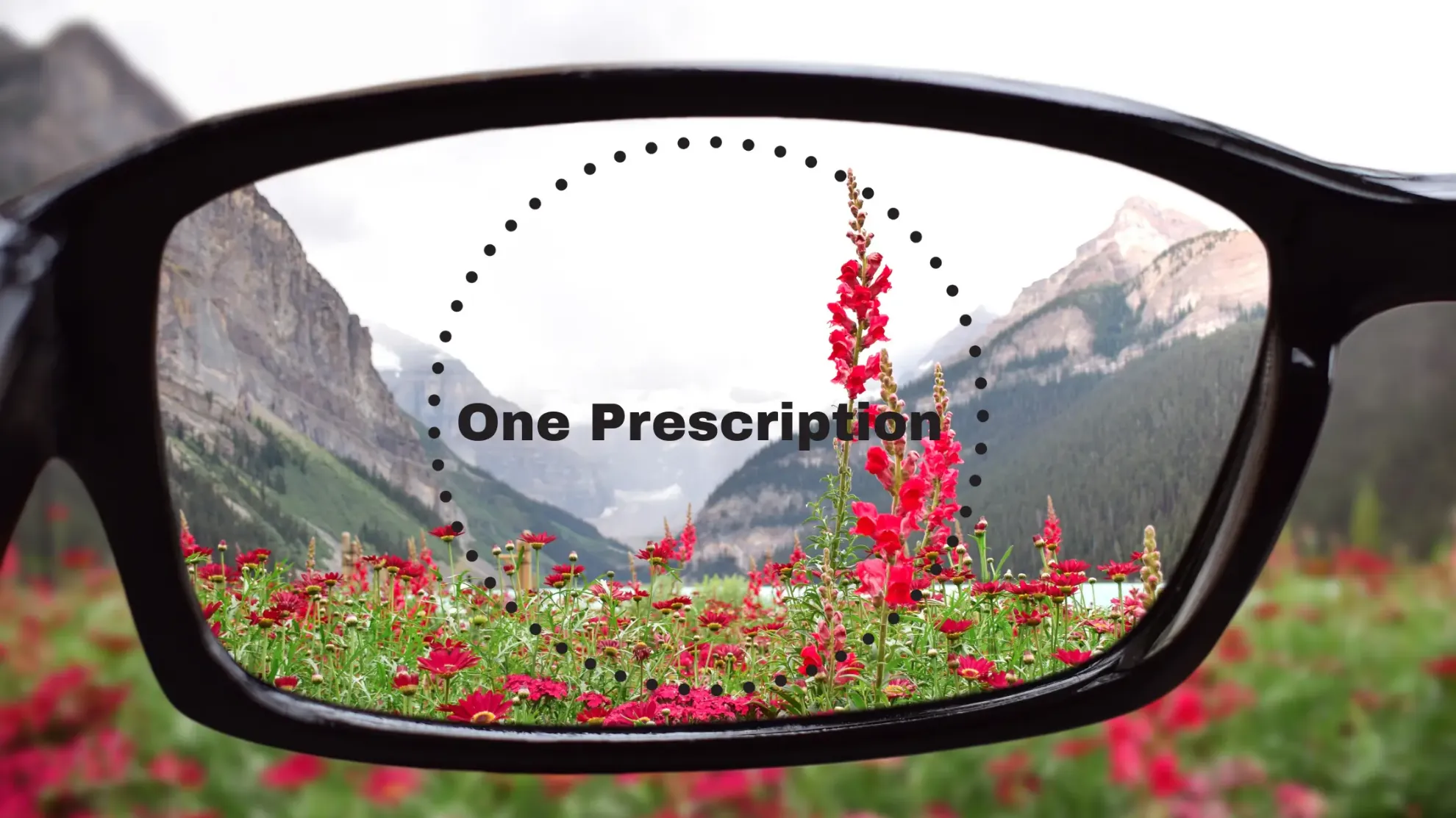
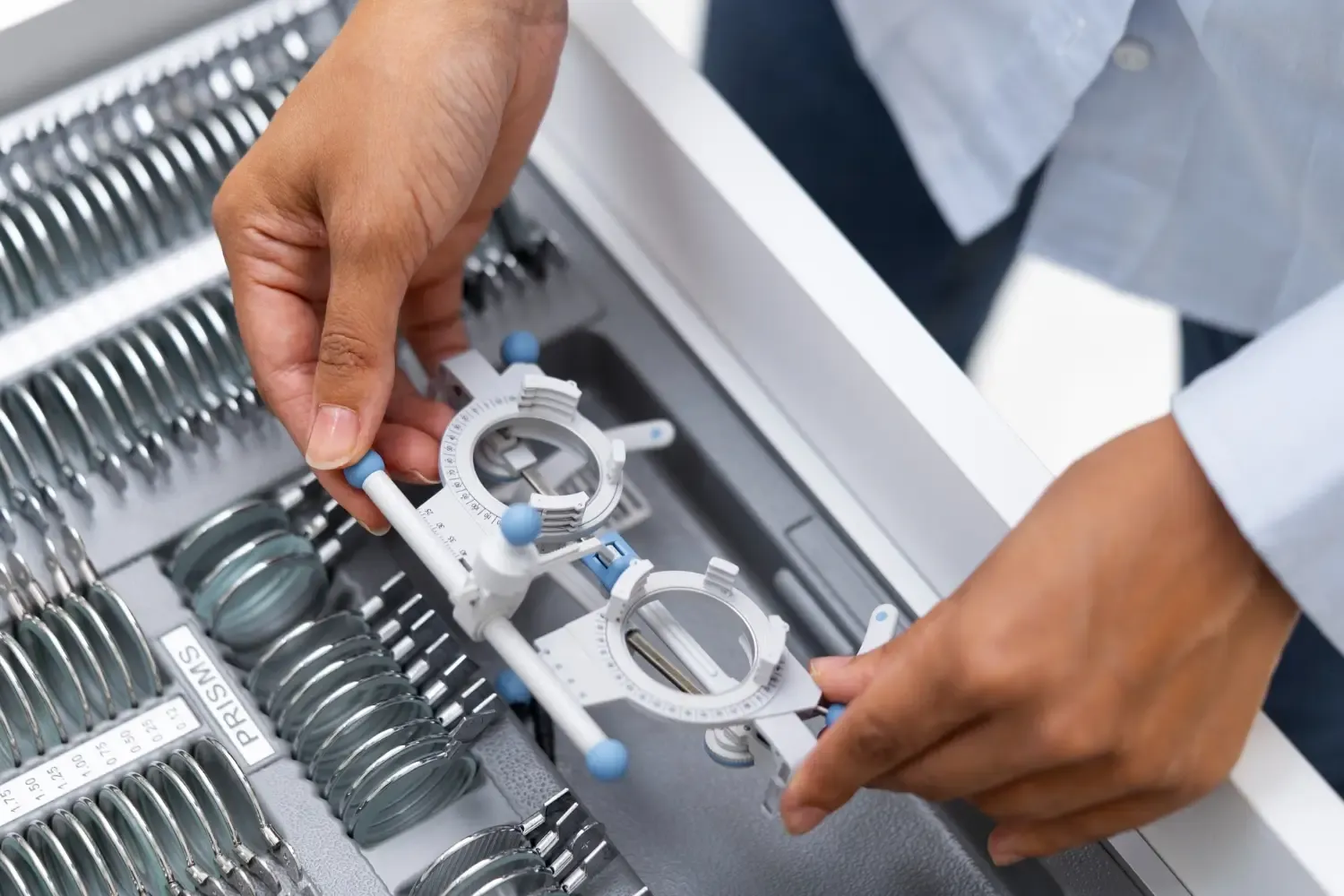
These are the most common lenses available today. A single vision lens has one prescription power across its entire surface. It corrects for one specific distance. If you are nearsighted, these lenses help you see far away. For farsighted people, they help with close-up tasks. They provide a very wide and stable field of view. Because there is only one focal point, there is no "distortion" at the edges. They are easy to use and very affordable. These lenses are typically the first choice for children and young adults who do not yet have presbyopia. What are single vision lenses?
Progressive Lenses
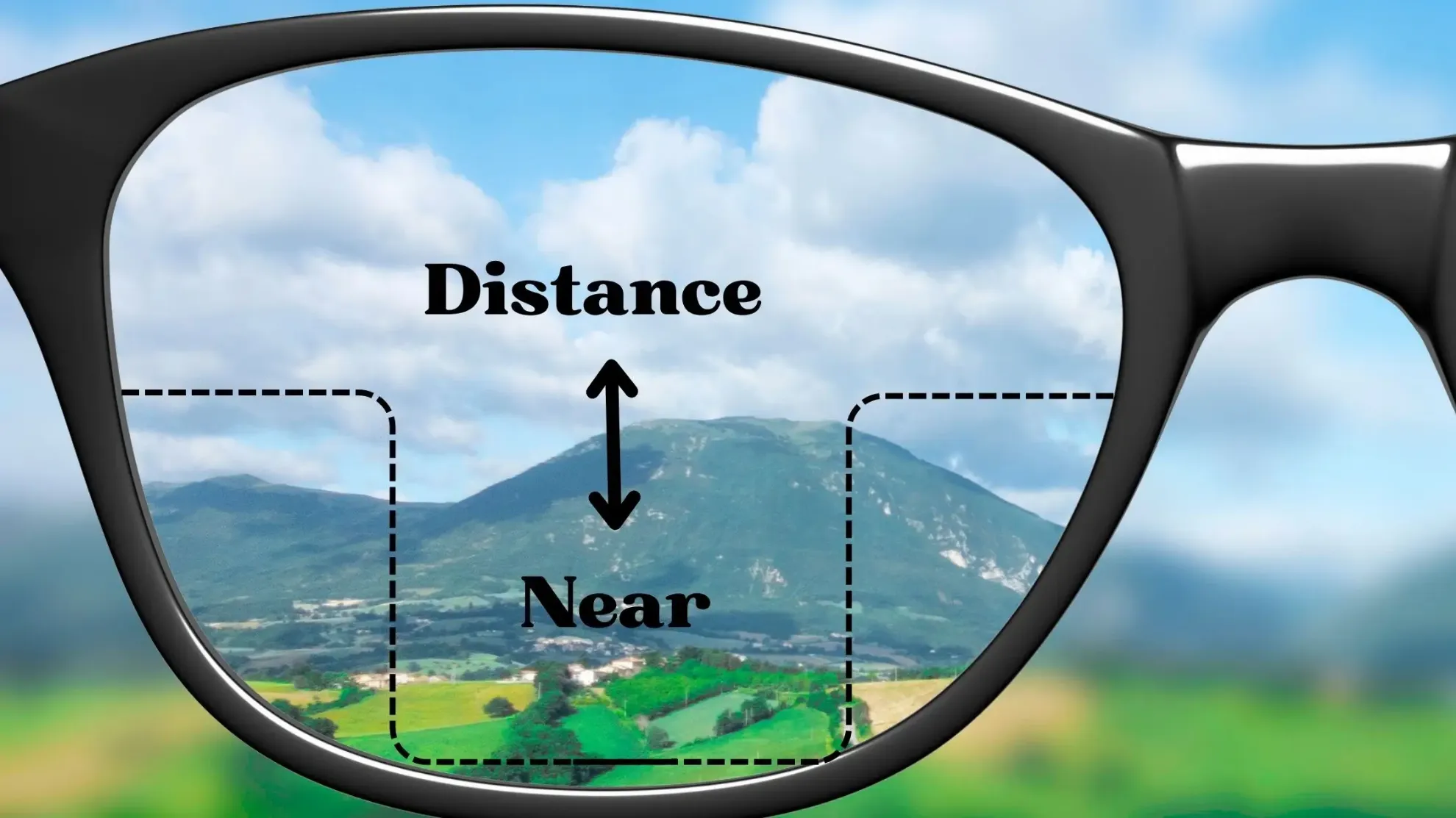
As we reach our 40s, many of us develop presbyopia. This is the natural loss of near-focusing ability. Progressive lenses are the modern, line-free solution. They provide a seamless transition between three primary distances. The top part is for distance vision, and the middle section is for intermediate vision (like a computer). The bottom part is for reading. Because there are no visible lines, they look exactly like standard single-vision glasses. They offer a natural visual experience. You can look up to see the road and down to see your phone smoothly. They require a short adjustment period, but they are the preferred choice for modern professionals. Read here for full details about what progressive lenses are.
Bifocal Lenses
Bifocal lenses were the original solution for presbyopia. They contain two distinct zones. The top is for distance. The bottom is a small, semicircular segment for reading. A visible line separates these zones. While they are less popular than progressives today, some people still prefer them. They provide a very wide and clear reading area without the "peripheral blur" sometimes found in progressives. However, they lack an intermediate zone. This can make computer work difficult. There is also an "image jump" when your eye crosses the line. Read here for full details about what bifocal lenses are.
Trifocal Lenses
Trifocals add a third zone for intermediate vision. This zone sits just above the reading segment. Visible lines also separated it. Trifocal lenses help individuals who require sharp vision at close range. These consist of activities such as viewing a computer screen, sheet music, or a car dashboard. Similar to bifocals, they show visible lines, which may not be attractive to some users. However, they provide very stable, dedicated focal points for specific tasks that progressives might not cover as widely. Read here to know more about what trifocal lenses are?
Computer Lenses
If you spend more than four hours a day on a screen, you need these. Computer lenses are optimized for the intermediate distance. This is usually about 20 to 26 inches from your face. Standard reading glasses are often too strong for this distance. Distance glasses are too weak, and computer lenses fill this gap perfectly. They help reduce digital eye strain. They allow your neck to stay in a natural position while you work, preventing "tech neck" caused by tilting your head to find the sweet spot in a standard progressive.
Reading Lenses
These are dedicated strictly to near vision. They are perfect for people who only have trouble with small print. You can have them made to your specific prescription. Custom reading lenses are significantly better than "store" readers. They account for your exact pupillary distance (PD) and also correct for astigmatism. This prevents the "pulling" sensation and headaches that many people feel with cheap, mass-produced magnifiers.
Lens Type | Primary Use Case | Visible Lines? | Focal Points |
Single Vision | General Distance or Reading | No | 1 |
Progressive | All-in-one Daily Use | No | Multiple (Seamless) |
Bifocal | Distance + Reading | Yes | 2 |
Trifocal | Distance + Intermediate + Near | Yes | 3 |
Computer | Desktop/Laptop Work | No | 1 (Intermediate) |
Reading | Books and Handheld Tasks | No | 1 (Near) |
Types of Glasses Lens Material: Choosing Comfort, Clarity, and Durability
The choice of the frame is usually about style, whereas the choice of lens material is purely about performance. The material is the actual stuff that your prescription gets ground in. And it determines how heavy your glasses are, how thick they appear, and how well you see. These materials are critical to understand, as the most ideal lens may not necessarily be the costliest one. It is the one that fits your own vision requirements and everyday routine.
What Lens Material Is and Why It Matters
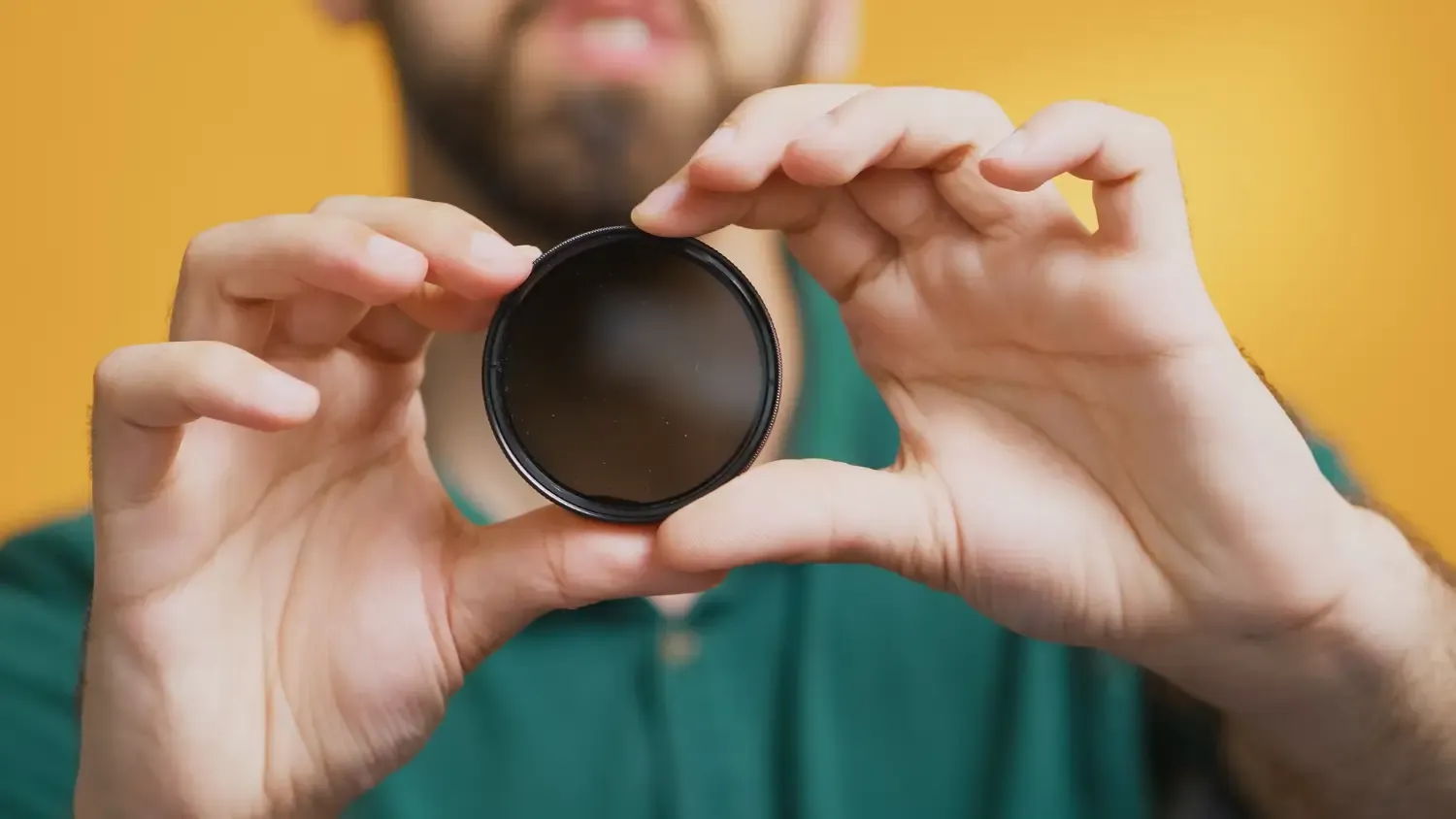
In the past, glasses were made of glass. Glass is more resistant to scratches, clearer, and superior, but it is heavy and hazardous in case of breaking. Modern lenses are almost 95% polymers and plastics. These are light, safer, and thinner materials. The material selection is important as it directly affects:
- Weight: Lenses heavier than about 4 grams can lead to nose fatigue or slippage.
- Thickness: Lenses with a higher prescription may develop thick edges spilling over the frame.
- Safety: Some materials are shatter-proof, which is essential to high-impact lifestyles.
How Prescriptions Influence Material Choice
Your prescription is essentially a set of instructions on how much light needs to be bent. To bend light more aggressively for stronger prescriptions, you traditionally needed more material, resulting in a thicker lens. However, modern materials have different refractive indices. A material with a higher index bends light more efficiently, allowing the lens to be significantly thinner and lighter even for strong prescriptions. Basic materials are great when you have a mild prescription (e.g., +/- 2.00). With a high prescription (e.g., +/- 6.00), a high-index material will be a comfort and aesthetic requirement.
Comparisons of Optics, Durability, and Thickness
In each material, there is a balance. For example, polycarbonates are highly durable and have lower optical clarity (Abbe value) than average plastic. Thin and fashionable, high-index lenses are typically more expensive and brittle. You must decide which of the following is most important: the highest level of safety, the lightest appearance, or the clearest eyesight. High Index VS Polycarbonate, which one is best for you?
Lens Material Options Explained
Plastic Lens Material (CR-39)
This is a standard plastic lens. It is lighter, more affordable, and offers good optical qualities. It weighs half as much as glass and carries tints successfully.
Ideal Use: Budget-conscious users and those with low-to-moderate prescriptions who value clarity over thinness.
Polycarbonate Lenses
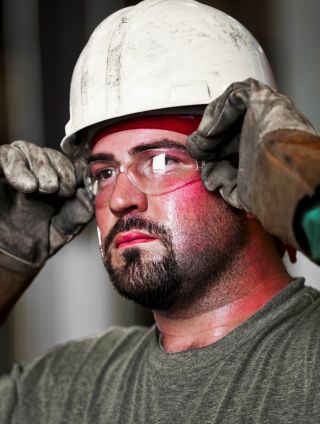
Why is polycarbonate 10 times tougher than ordinary plastic?. And it was originally designed to be used as aerospace windshields. It is the "safety first" lens. Inbuilt 100% UV protection is also included.
Ideal Use: Children, athletes, and any other user who requires high-impact protection.
Trivex Lenses
Why Trivex is the best of both worlds? It has the impact strength of polycarbonate, but is much lighter and clearer. It is the lightest lens material in the market today.
Ideal Use: Rimless frames and those who desire safety without compromising clarity of vision.
High Index Lenses
These are the "slimming" lenses. They are designed specifically for strong prescriptions to eliminate the "Coke-bottle" look. They range from 1.60 to 1.74 index.
Ideal Use: This is best suited to those who are highly nearsighted or farsighted and desire a sleek, light appearance.
Photochromic Lenses and Transition Lenses
These are photo-adaptive lenses. They have molecules that become reactive to UV light. So that they darken when you go out and become clear when you are indoors. Photochromic technology is currently offered in nearly all of the above lens materials.
Ideal Use: Individuals who go in and out frequently and wish to have a single pair to use inside and outside.
Polarized Lenses
Polarization is an advanced filter that prevents horizontal glare created by water, automobile hoods, or wet roads.
Ideal Use: Drivers, boaters, and outdoor enthusiasts who require maximum glare reduction and contrast.
Types of Lens Coating that improve performance and durability
Imagine lens coatings as the unseen shield on your glasses. A lot of people think that coatings are mere luxuries. It is a myth. Coatings are, in fact, important upgrades. They change a simple plastic into an advanced tool. Distracting reflections on them can impair your vision. Your glasses may also scratch within weeks. Coatings enhance the way you look and the way the world looks at you. They prolong the lifespan of your eyewear. They facilitate your day-to-day life.
Clarity Champion Anti-Reflective Coating
Perhaps the most significant option is an anti-reflective (AR) coating. All lenses reflect some light. These reflections create "ghost images" and distracting glare. AR coating allows more light to pass through the lens. This makes your vision much sharper. It is a lifesaver for night driving because it reduces the blinding "starburst" effect of oncoming headlights. It also makes your glasses look better. Your eyes are visible to others rather than a mirror image.
Save Your Investment with Anti-Scratch Coating
There are no real scratch-proof lenses. However, an anti-scratch coating makes them much harder to damage. Modern lenses are made of relatively soft polymers. Dust or rough cloths can scratch them. This clear, hard layer acts as a protective shield. This coating ensures your vision stays clear for years. It is a standard requirement for children and active adults. It protects your financial investment in your eyesight.
UV Protection Coating
Many people use sunscreen to shield their skin. Your eyes need the same care. The UV protection coating completely prevents harmful UVA and UVB rays. Prolonged exposure to the rays may cause severe eye ailments. This includes cataracts and retinal damage. While some materials have built-in UV protection, this coating is vital for standard plastic lenses. It is an invisible health insurance policy for your vision.
Digital Shield Blue Light Coating
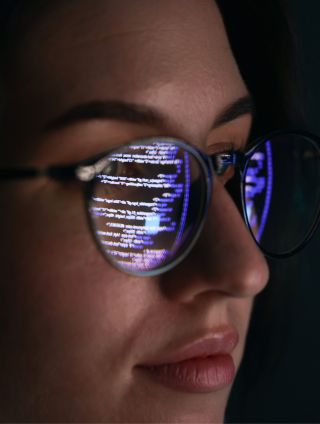
We spend hours every day looking at screens. Phones and computers emit high-energy blue light. This light can cause digital eye strain and headaches. A blue light coating filters out these harsh wavelengths. It helps relax your eye muscles during long workdays. It helps improve sleep quality for many users. Office workers, students, and gamers must have it.
Anti-Fog Coating for Sharp Vision
Anti-fog coating eliminates a huge problem. It keeps the moisture off the lens surface. This suits those who travel between cold and warm air. Anyone wearing a face mask also needs one. It ensures you do not need to pause what you are doing to wipe your foggy lenses. Chefs and outdoor workers like this coating.
Oleophobic and Hydrophobic Coatings
An oleophobic layer is resistant to oils and smudges. You will no longer be able to see through your glasses due to your fingerprints. A waterproof surface repels water. Raindrops roll and bead up at once. They combine to make your lenses very easy to clean. They keep your glasses looking brand new with very little effort.
Lens Tints Explained: Style, Comfort, and Visual Enhancement
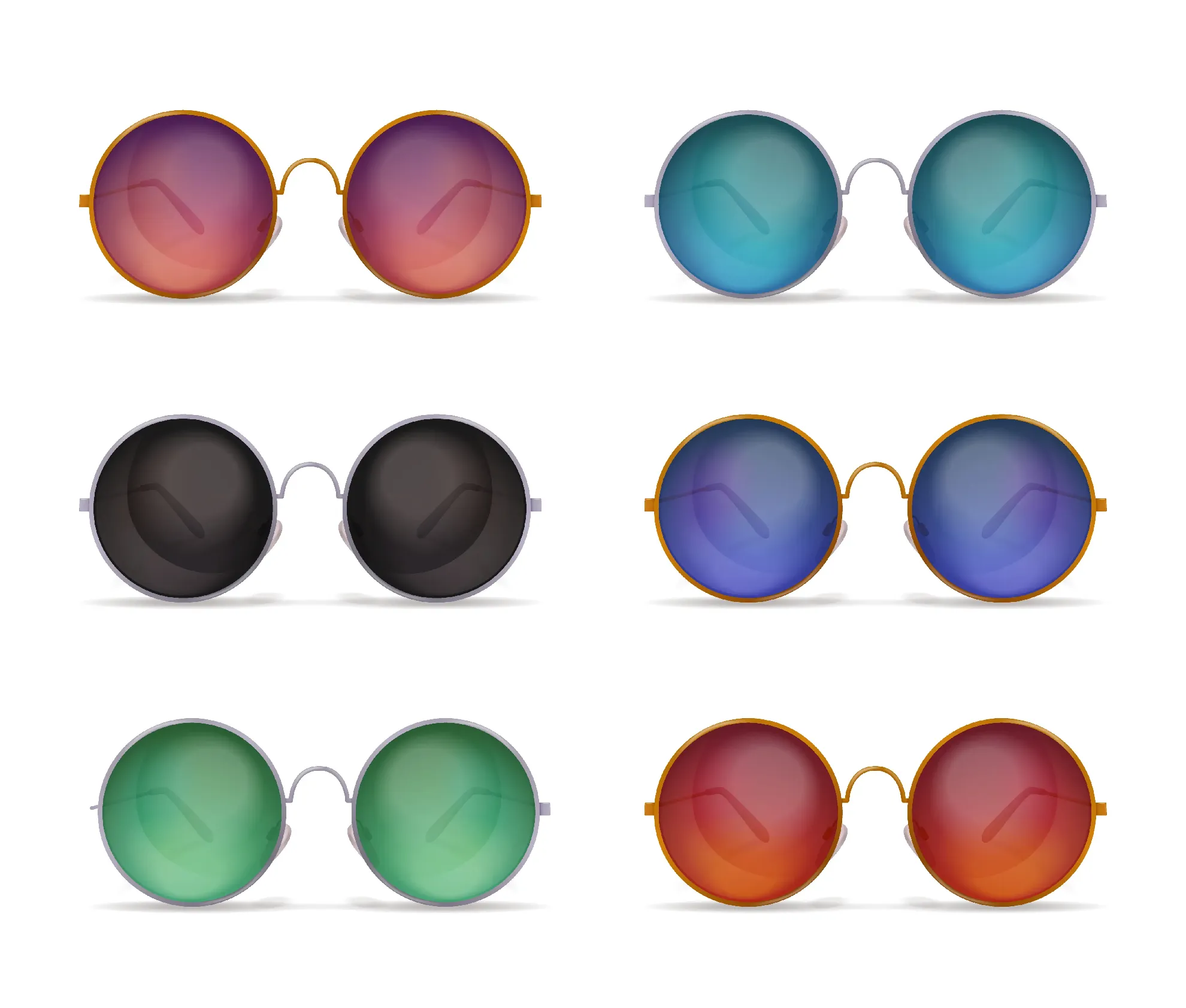
Lens tints are the perfect intersection of fashion and function. Many people think tints are only for sunglasses. This is not the case. Tints can be applied to almost any lens. They help you express your personal style. More importantly, they change how your brain perceives light and color. Some tints are purely cosmetic. They add a pop of color to your look. Others are highly functional. They improve your performance in specific sports or work environments. Selecting the proper tint may alleviate eye strain. It can also sharpen and make the world look more vivid.
Cosmetic vs. Functional Tints
One should be aware of the distinction between these two types. A cosmetic tint is usually light. It is often used for indoor fashion. It does not block much sun. A functional tint is designed for a purpose. It filters specific light waves to help you see better. For example, some tints block blue light. Others make colors look more natural. Knowing your goal is the first step. Do you want to look cool? Or do you want to play better golf?
Key Types of Lens Tints
Gray Tint A Natural Choice
Gray tint is the most popular option for a reason. It reduces the overall brightness of the sun. However, it does not distort colors. This is the most appropriate tint to use in daily life. It is ideal for driving on bright, sunny days. It provides excellent protection without changing your color perception.
Brown (Amber) Tint For High Contrast
Brown or amber tints are favorites for athletes. They filter out blue light waves. This increases contrast and depth perception. Blue skies and green grass look much better. These colors suit golf, fishing, and baseball. They also work well on overcast days. They make objects stand out against a dull background.
Yellow Tint: A Low-Light Specialist
A yellow tint is often called a "high-definition" lens. It makes the world look much brighter. It is not meant for bright sun. However, it works well in dim light. Rainy afternoons and misty mornings work nicely for it. Pilots and shooters love yellow because they believe it improves their ability to see the target. By preventing blue light, it also relieves digital eye strain.
Green Tint For Balanced View
Green tint offers a very natural feel. It balances contrast and color accuracy perfectly. It reduces glare while keeping shadows bright. Many users find green to be the most "relaxing" tint for the eyes. It is superb for overall outdoor activities. It is a timeless option for a refined vintage appearance.
Blue Tint A Fashion-Forward
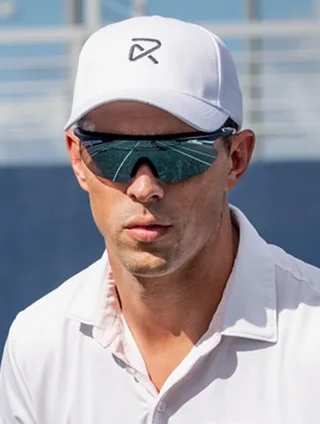
Blue tint is a bold, modern choice. It is mostly used for its stylish, reflective appeal. However, it can help reduce glare from white light. It is often seen in snowy environments or on tennis courts. This hue gives a cool, relaxing effect to the wearer. It is one of the best choices in order to make a statement.
Rose Tint For Maximum Comfort
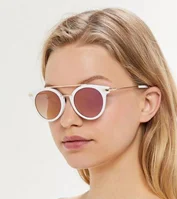
Rose tint is incredibly soothing. It increases visual contrast and provides a soft view of the world. It is often recommended for people with light sensitivity. Some find it helps reduce the frequency of migraines. It is a superb choice for computer use or long-term indoor wear. It gives everything a warm, pleasant glow.
Gradient Tint: A Functional Style
Gradient tints are dark at the top and clear at the bottom. This is both stylish and very practical. It blocks the bright sun from the sky. However, it lets you see your car dashboard or phone clearly through the bottom. It is the final option for drivers. It provides a refined, celebrity-level look.
Mirror Tint A Glare Shield
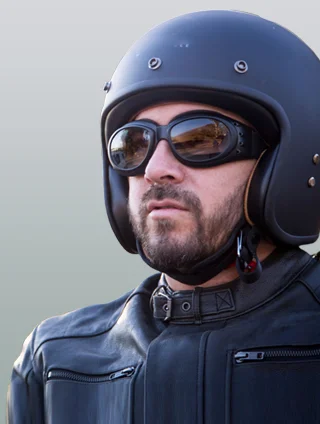
Mirror tints feature a highly reflective coating. They look bold and hide your eyes completely. Mirror tint is not just for looks. They reflect light away from the lens. This provides a massive reduction in glare. They are essential for high-altitude skiing or beach days. They keep your eyes cool in the harshest light.
Selecting Your Shade
Activity | Recommended Tint | Benefit |
Daily Driving | Gray or Gradient | Natural colors; blocks the overhead sun. |
Golf / Fishing | Brown (Amber) | Improved depth and contrast. |
Low-Light Sports | Yellow | Brighter vision in fog/rain. |
Office Work | Light Rose or Yellow | Reduces digital strain and blue light. |
High Fashion | Blue or Mirror | Bold look with light protection. |
How Eyeweb Helps You Choose the Perfect Lenses
Choosing the right eyewear can feel like a heavy task. There are so many technical terms to learn. At Eyeweb, we work hard to make this process simple. We have transformed the shopping experience online. We bridge the gap between complex optical science and peaceful home shopping.
We have the widest selection of eyeglasses lenses. You no longer need to go to different retailers to seek specialized equipment. Do you require high-end progressive lenses in the office? Do you need rugged polycarbonate lenses on the job site? We have them all. Our stock has the simplest plastic to the thinnest high-index lenses available. Our selection is curated to satisfy all visual needs.
A One-Stop Shop for Every Need
Shop with us without being an expert. We provide expert guidance throughout our website. As you move through the selection process, we explain each choice. We help you understand why a certain lens material fits your prescription. Our interface responds to your questions even before you ask them. This makes you never feel lost or overwhelmed.

Your glasses must reflect your life, which is unique. Extensive customization is possible at Eyeweb. You may select your lenses according to your specific prescription. They are also adjustable to your lifestyle and taste in fashion. Want a bold look with a mirror tint? Do you want to paint your late-night study time blue? Play around with features to make your ideal pair. We take care of the technicals so that you may concentrate on your style.
We believe in the power of convenience. You can browse and build your glasses from your own couch. We are completely transparent in pricing and processes. Our materials and manufacturing are of high quality. This gives you the confidence that your vision is in expert hands. We bring clarity to your eyes and to the way you shop for eyewear. Start your journey with Eyeweb today and see the difference for yourself.