
















Last updated: Thursday, June 25, 2026
Having vision changes is an aspect of growing old. The majority of individuals start to experience these changes during their 40s. This is referred to as presbyopia. It occurs when the lens of the eye becomes rigid. It suddenly becomes hard to read the fine print on a phone or a menu. However, you must be able to see far away. This is where bifocal lenses come in.
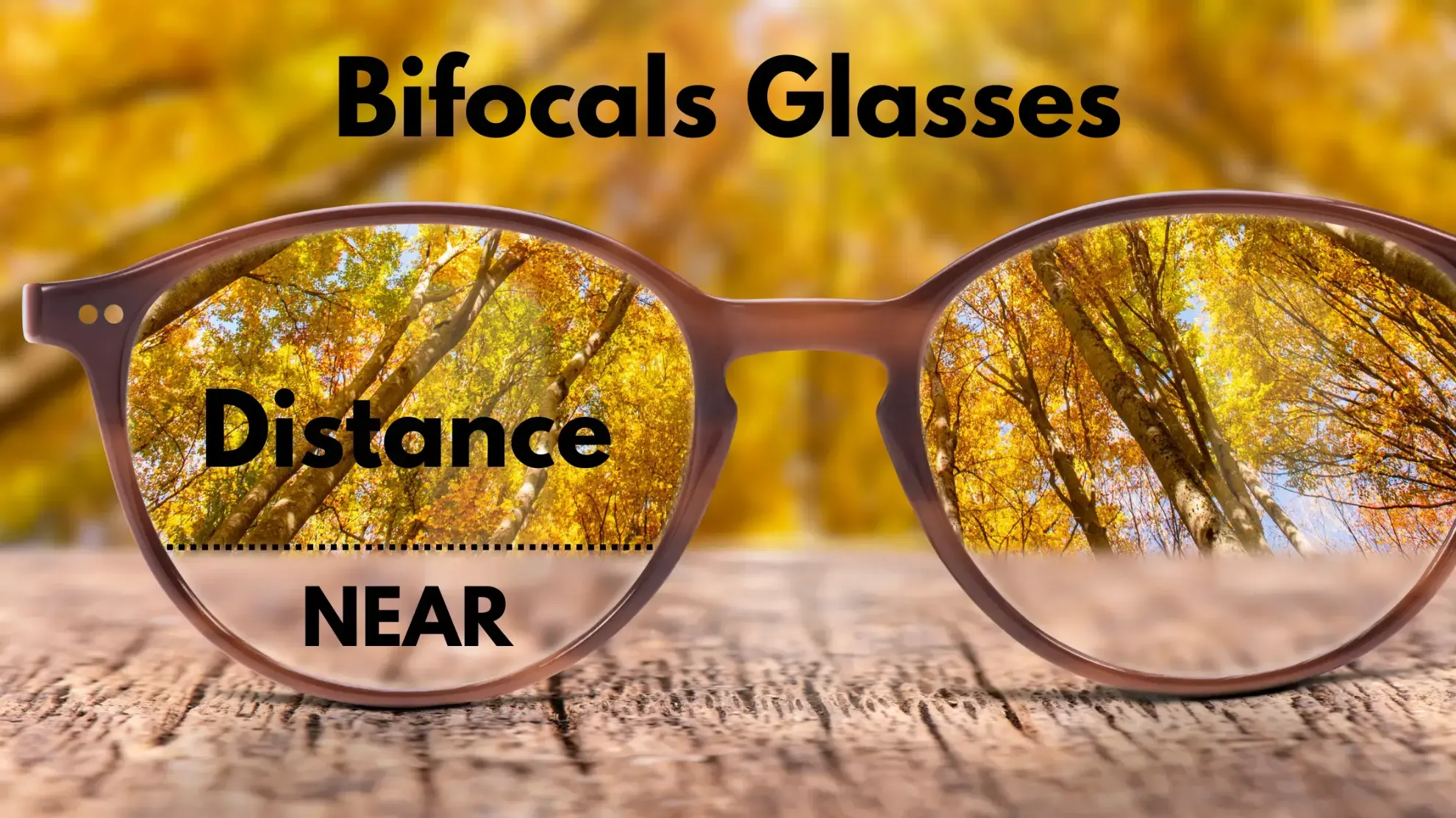
A simple definition of a bifocal lens is an eyeglass lens that has two different optical powers. One part of the lens corrects for distance vision. The other part corrects for near-vision tasks like reading or sewing. Historically, these were known as lined bifocal lenses. A physical line is visible on the lens surface. This line divides the two prescriptions.
Glasses with bifocal lenses are advanced today. They are no longer just for "old age." They are essential tools for productivity. We specialize in adapting this technology for every environment. You may want reading glasses with bifocal lenses, on the home office desk, or durable eyeglasses on the construction site with bifocal lenses; we have them. The first step to restoring your visual freedom is to understand how these lenses work.
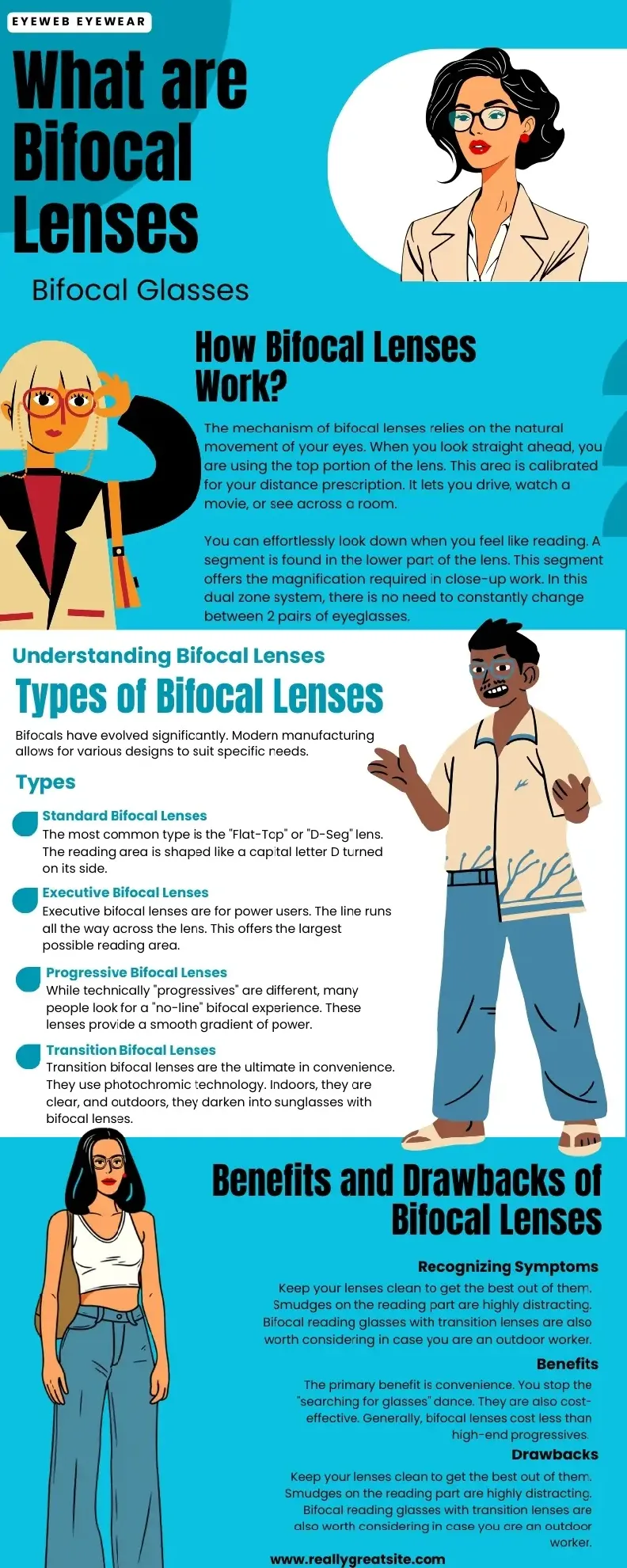
How Bifocal Lenses Work
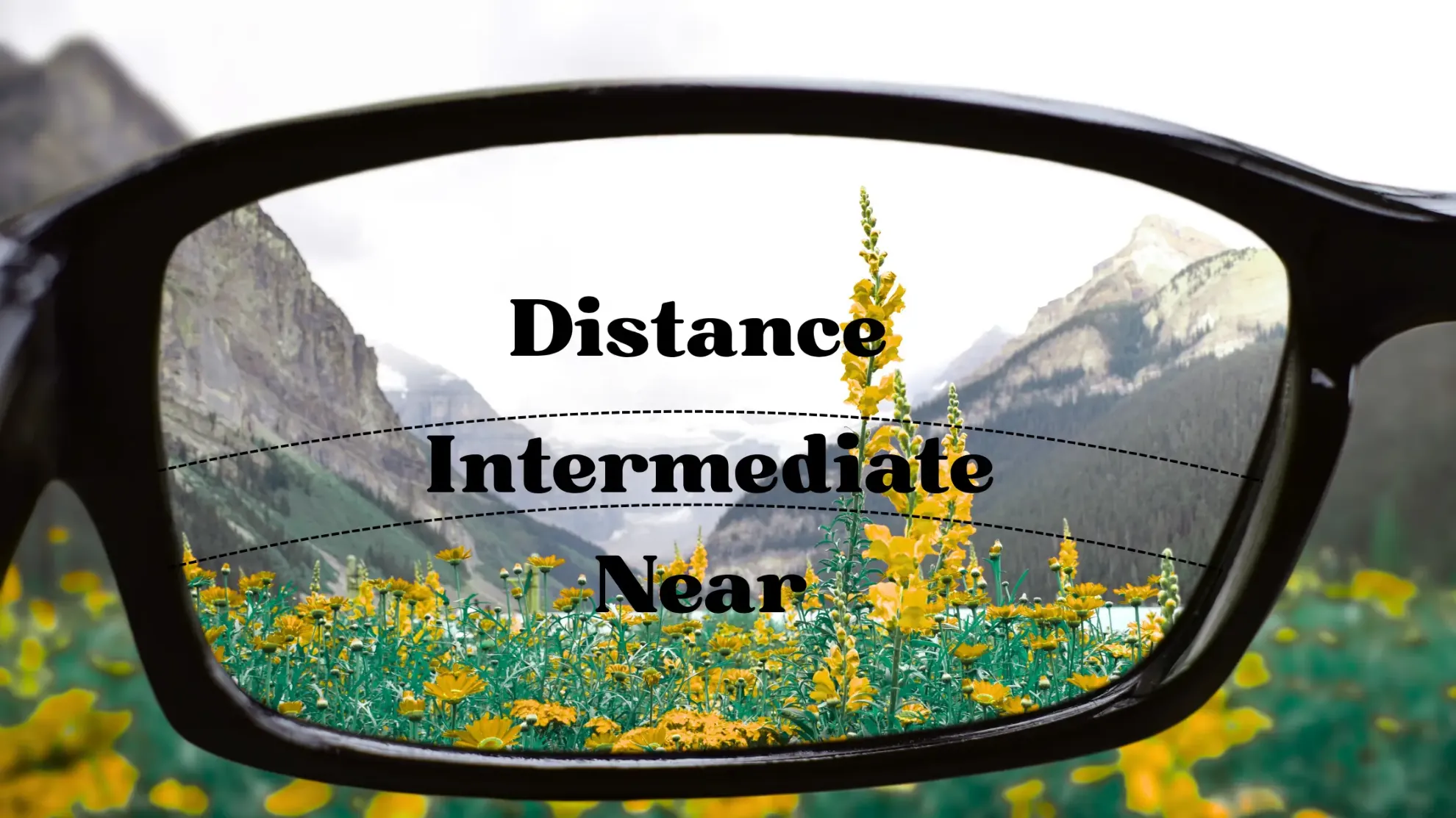
The mechanism of bifocal lenses relies on the natural movement of your eyes. When you look straight ahead, you are using the top portion of the lens. This area is calibrated for your distance prescription. It lets you drive, watch a movie, or see across a room.
You can effortlessly look down when you feel like reading. A segment is found in the lower part of the lens. This segment offers the magnification required in close-up work. In this dual zone system, there is no need to constantly change between 2 pairs of eyeglasses.
Eye adaptation is the process by which your brain learns this new "map." At first, crossing the line might feel strange. This is called "image jump." It happens because the magnification changes abruptly at the line. Within a few days, your brain ignores the line. Your eyes begin to find the correct zone automatically.
The importance of proper fitting is critical for success. This is the exact measurement of where the reading part begins. If the segment is too high, it interferes with your walking and driving. When it is too low, you must tilt your head backwards to read. Our accurate eye measuring instruments keep your bifocals perfectly aligned with your pupils. This ensures maximum comfort and minimizes the adjustment period.
Types of Bifocal Lenses
Bifocals have evolved significantly. Modern manufacturing allows for various designs to suit specific needs.

Standard Bifocal Lenses
The most common type is the "Flat-Top" or "D-Seg" lens. The reading area is shaped like a capital letter D turned on its side. It provides a wide field for reading while keeping the distance vision clear.
Executive Bifocal Lenses
Executive bifocal lenses are for power users. The line runs all the way across the lens. This offers the largest possible reading area. They are excellent for professionals who spend hours looking at blueprints or large documents.
Progressive Bifocal Lenses
While technically "progressives" are different, many people look for a "no-line" bifocal experience. These lenses provide a smooth gradient of power. There is no visible line, offering a more youthful appearance.
Transition Bifocal Lenses
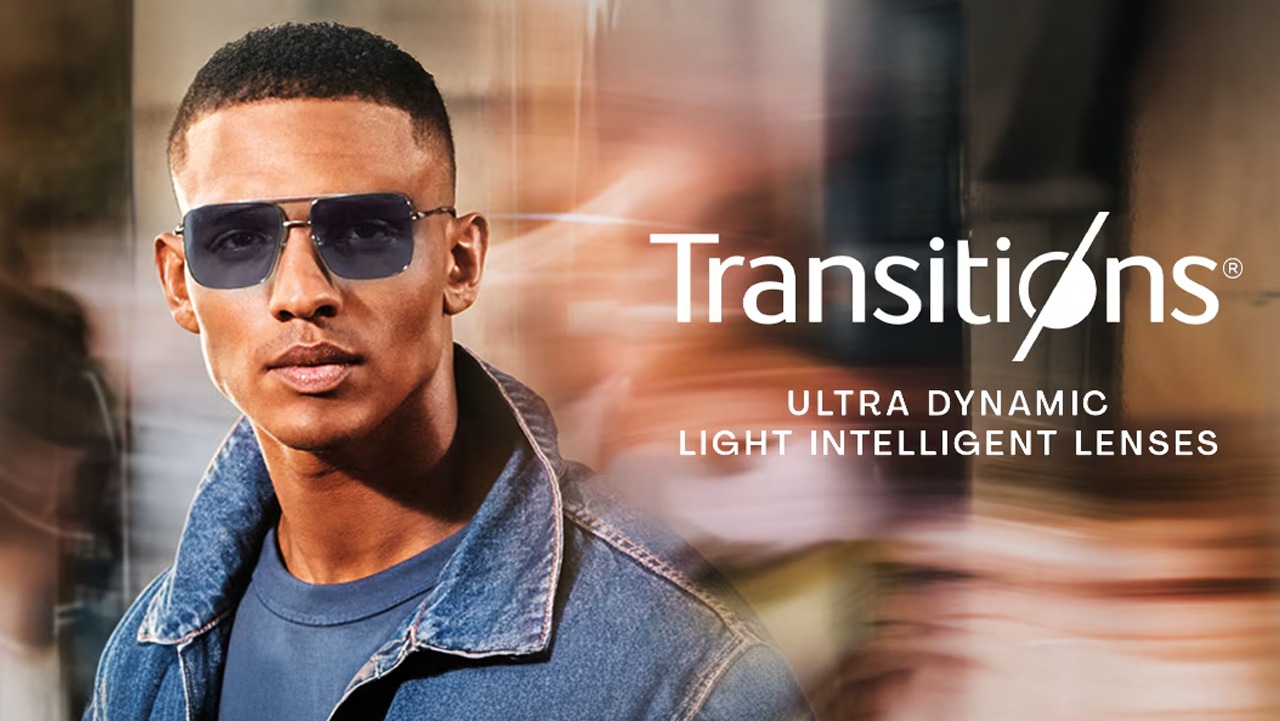
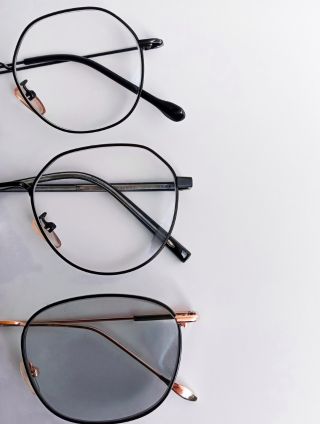
Transition bifocal lenses are the ultimate in convenience. They use photochromic technology. Indoors, they are clear, and outdoors, they darken into sunglasses with bifocal lenses. They provide 100% UV protection while keeping your vision sharp in any light.
We offer a massive variety of options of materials, coatings, and tints. Read here how to choose the right lenses. Our professionals suggest polarized sunglasses with bifocal reading lenses to anyone who spends time on the water or behind the wheel. The polarization removes harsh glare. You can easily see your dashboard or bait your hook because of the bifocal lenses.
Comparing Lenses: Bifocal, Progressive, and Single Vision
Selecting an appropriate lens is based on your routines. Here is how they stack up.

Progressive vs Bifocal Lenses
Bifocals offer two fixed zones with a clear line. Progressives offer a "corridor" of vision. Progressives include an intermediate zone for computer use. On the other hand, bifocals usually provide a wider reading range. When a larger, more stable reading field is required, bifocals are typically the best option. Progressive Lenses vs Bifocals: Which is Right for You?
No-Line Bifocal vs Progressive Lenses
A "no-line" bifocal is usually a "blended" lens. It hides the line but still only has two powers. Progressives are more advanced. They have no lines and offer a range of powers. We help you decide if you need the simplicity of a bifocal or the versatility of a progressive.
Trifocal vs Bifocal Lenses
Trifocals add a third section. This middle section is for intermediate distances, like a computer monitor. Bifocals do not, and get distant to near. Trifocals may be required for arm-length work. Alternatively, bifocals offer an easier and cheaper option.
Single Vision vs Bifocal Lenses
Single vision lenses contain a single lens power. They are great for people who only have one vision issue. If you have presbyopia, single vision forces you to carry two pairs. One is for driving, and the other is for reading. What are single vision lenses? Glasses with bifocal lenses help combine them into a single useful frame.
Lens Type | Distance Vision | Intermediate Vision | Near Vision | Line Visible | Cost |
Single Vision | ✔ | ✖ | ✖ | ✖ | Low |
Bifocal Lenses | ✔ | ✖ | ✔ | ✔ | Mid |
Progressive | ✔ | ✔ | ✔ | ✖ | High |
Trifocal | ✔ | ✔ | ✔ | ✔ | Mid-High |
Benefits and Drawbacks of Bifocal Lenses
Benefits
The primary benefit is convenience. You stop the "searching for glasses" dance. They are also cost-effective. Generally, bifocal lenses cost less than high-end progressives. They offer a very wide field of vision for reading. This makes them superior for tasks like reading a physical book or working on a detailed craft.
Drawbacks
The visible line is the most common complaint. Some people feel it looks "aged." There is also the "image jump" mentioned earlier. Additionally, bifocals lack a dedicated zone for computer screens. This can lead to "computer vision syndrome" if you sit at a desk all day.
Tips for Optimizing Bifocal Use
Keep your lenses clean to get the best out of them. Smudges on the reading part are highly distracting. Bifocal reading glasses with transition lenses are also worth considering in case you are an outdoor worker. They shield your eyes against the sun and still enable you to have a look at digital displays on devices. Always move your eyes to the zone you need. Don't just tilt your head.
Cost of Bifocal Lenses in 2026
Budgeting for your eyewear is important. The bifocal lenses' cost depends on your choices.
Factors Affecting Price
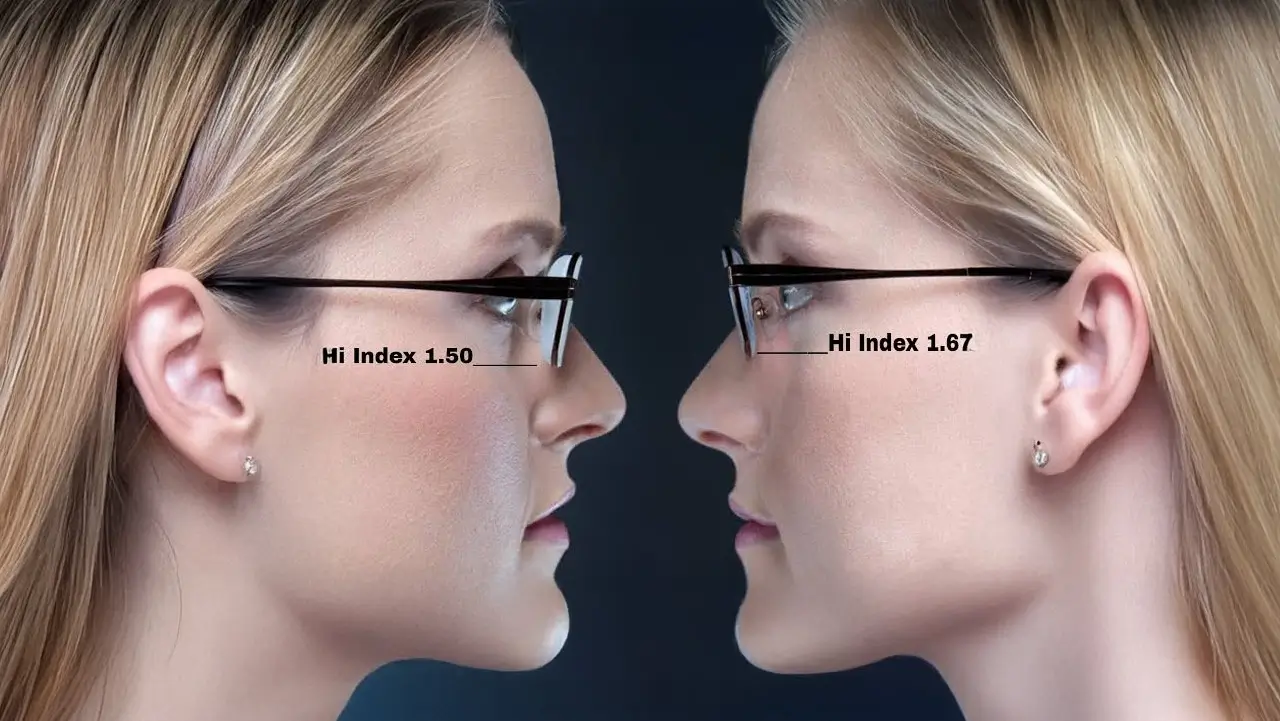
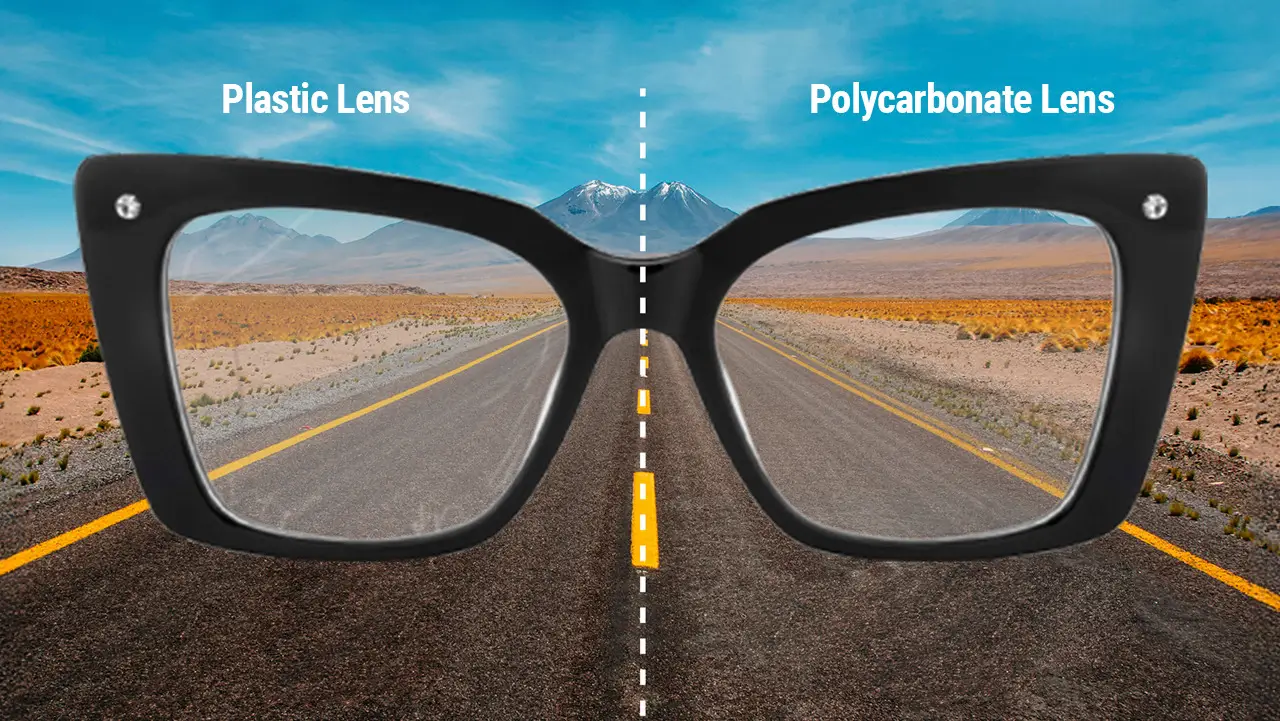
- Material: Basic plastic is the cheapest. Polycarbonate is the safest choice as it is impact-resistant. Strong prescriptions use high-index lenses, which are thinner and lighter.
- Treatments: Anti-reflective coats are strongly advised. They reduce glare from night driving and office lights.
- Speciality Options: Adding a "transition" or photochromic feature adds to the price but increases utility.
Average Cost of Bifocal Lenses
A pair of quality bifocal lenses begins around $70-90 in 2026. High-quality frames and coating can make it cost $150-300. However, specialized products such as safety glasses with bifocal lenses are an investment. We have direct-to-consumer prices. This ensures you get laboratory-grade lenses at a fraction of the retail price.
Beginner’s Guide: First-Time Bifocal Lens Users
Transitioning to bifocals requires patience. Your brain needs to rewire its visual processing.
Preparing for Your First Pair
Ensure your prescription is exact. Even a small error makes adaptation difficult. Choose a frame with enough "depth." If the frame is too short, the reading segment will be too small.
Tips for Quick Adaptation
- Put your new bifocal eyeglasses on as soon as you wake up. Your brain is more "plastic" and ready to learn in the morning.
- Do not switch back to your old glasses. This resets the "learning clock" in your brain.
- If you want to see something to the side, turn your whole head.
- When walking down stairs, look through the top (distance) part of the lens. Looking through the reading segment will make the floor look blurry and close.
Maintenance and Care
Clean your lenses with approved lens cleaners and microfiber cloths. Do not use your shirt or paper towels. These develop micro-scratches, which destroy clarity over time. For users who wear polarized bifocal reading sunglasses, this calls for particular consideration. It is not recommended to keep the polarized films on a heated automobile dashboard since extreme temperatures can ruin them.
Why Choose Eyeweb for Bifocal Lenses?
Eyeweb is more than an online store. We deal in high-performance prescription eyewear, safety eyewear, and premium sunglasses. From everyday reading glasses with bifocal lenses to specialized bifocal contact lenses, we cover every vision need.
We help you stay compliant at work while seeing clearly. Our customer service team will help you take measurements from the comfort of your home through proper guidance. Whether you require sunglasses with bifocal lenses on your next vacation or a pair of durable work glasses, we will provide quality, speed, and affordability.
FAQ Content – Common Questions About Bifocal Lenses
Where can I find Glasses with Bifocal Lenses
You can find eyeglasses with bifocal lenses on prescription eyewear section of Eyeweb by selecting bifocal options when choosing your frames.