















Last updated: Thursday, June 25, 2026
Polycarbonate lenses are a significant advancement in modern optical material science. These lenses are crafted from a very specific type of thermoplastic. The term "polycarbonate lenses" refers to their exceptionally durable construction. This material was originally developed for aerospace and high-tech safety applications. It was even used in the visors of astronaut helmets.
Polycarbonate lenses are made from carbon-based polymers. These molecules bond together to make a very flexible, powerful bond. This unique chemical makeup allows the lens to absorb heavy physical energy. Rather than cracking, the material will bend or dent slightly.
Secondly, polycarbonate lenses are highly impact-resistant and rarely break. These lenses are known for their excellent impact resistance. They do not crack easily like traditional glass or plastic lenses. This makes them a primary choice for children and active adults. They provide a level of safety that standard materials cannot match.
This introduction explores why they have become an optical industry standard. We will discuss how they protect your eyes in daily life. Every year, millions choose this material for its superior physical strength. We'll go into further detail about these lenses' features.
Advantages and Disadvantages
When choosing the right lens material, performance is an important factor. Although polycarbonate has special advantages, there are some optical trade-offs. You may make the greatest decision for your vision by being aware of these aspects.
Polycarbonate Lenses Advantages
The primary advantage is their high impact resistance and lightweight nature. They are significantly lighter than standard plastic or glass lens materials. This reduces the pressure on your nose and your ears daily.
Polycarbonate lenses extend far beyond just basic safety. They are thin by nature and enhance the look of your glasses. These lenses also have built-in protection against the damaging rays of ultraviolet light.
You do not need to add a special coating for UV. They are perfect for rimless or semi-rimless frame styles and designs. Their flexibility allows them to be drilled without cracking or splitting.
Are Polycarbonate Lenses Good?
Polycarbonate lenses are good for the average daily glasses wearer today. They are great in case one has a busy and active lifestyle. They provide excellent safety, style, and value. Most doctors recommend them specifically for sports and hazardous work environments. They are safe as they do not smash into pieces.
Polycarbonate Lenses Disadvantages
Despite their strength, polycarbonate lenses have a number of disadvantages, including a high susceptibility to surface scratches. In comparison to regular glass or plastic, it is a comparatively soft material.
However, another disadvantage is that they have a lower Abbe value. This can cause slight color fringing or distortion in the periphery. Many people do not notice this slight decrease in optical clarity.
Next one, polycarbonate lenses scratch easily if they are not treated with a hard coat. Polycarbonate lenses only develop scratch resistance when they have been coated using a high-quality protective layer. In the absence of this coating, they may get hazy in the short term. They need good care and cleaning to maintain their visual quality.
Specialized Lens Types & UV Protection
Polycarbonate is a flexible material that is utilized in numerous types of eyewear. It suits well in different environments, giving it safety and clarity. This section highlights how it performs in specific, specialized optical applications.
Polycarbonate Glasses Lenses
The most common type of eyewear lenses is standard polycarbonate glasses. They offer a slim look that fits well into trendy frames. Many patients prefer them for their "barely-there" feel on the face. They are ideal for low to moderate vision correction prescriptions.
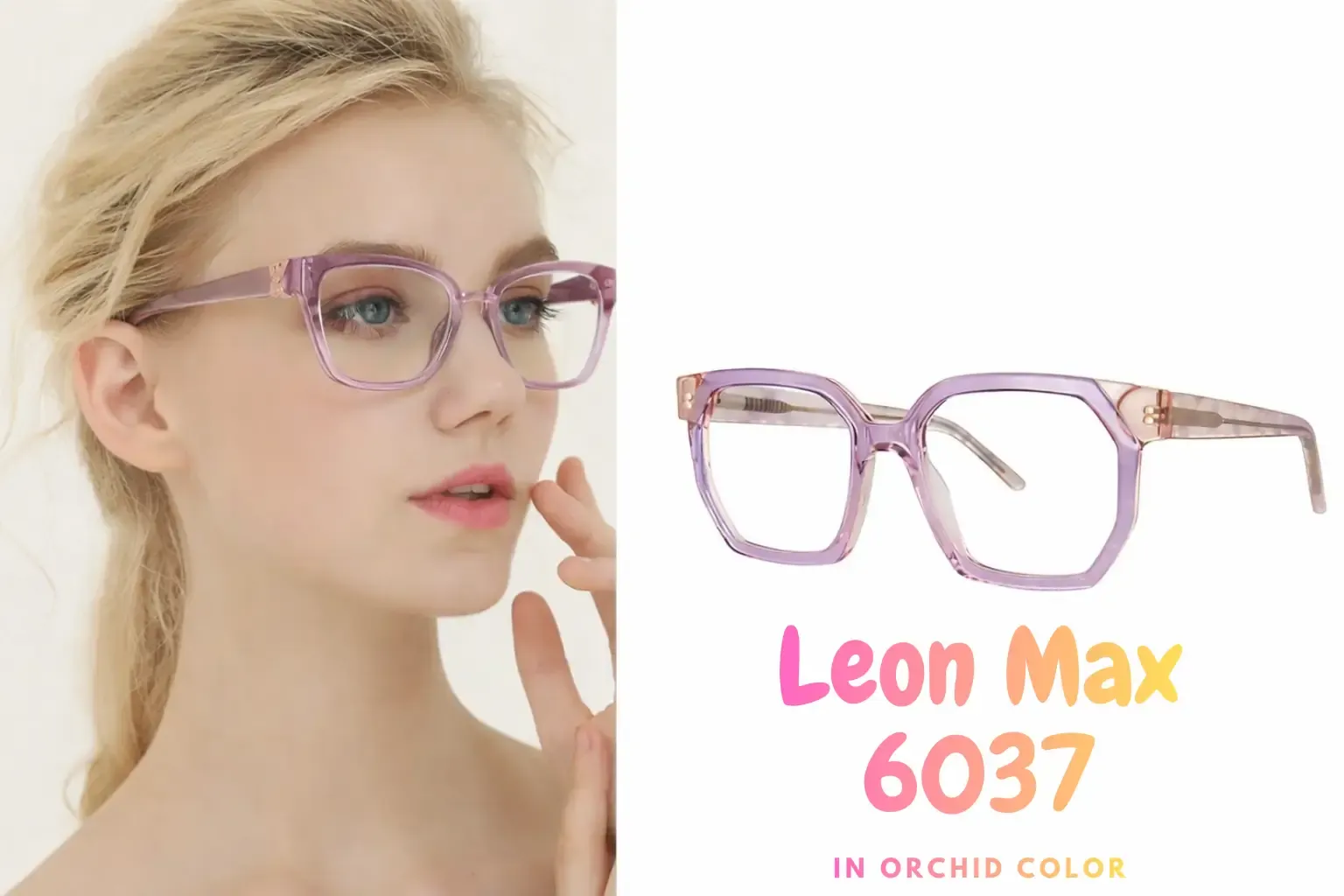
Polycarbonate Sunglasses Lenses
Polycarbonate sunglasses lenses are of significant benefit to outdoor enthusiasts. These are quite lightweight and thus comfortable during extended hiking periods. Their resistance to impact safeguards your eyes against loose rocks or trees. They are the industry leaders in lifestyle and high-performance sports eyewear.
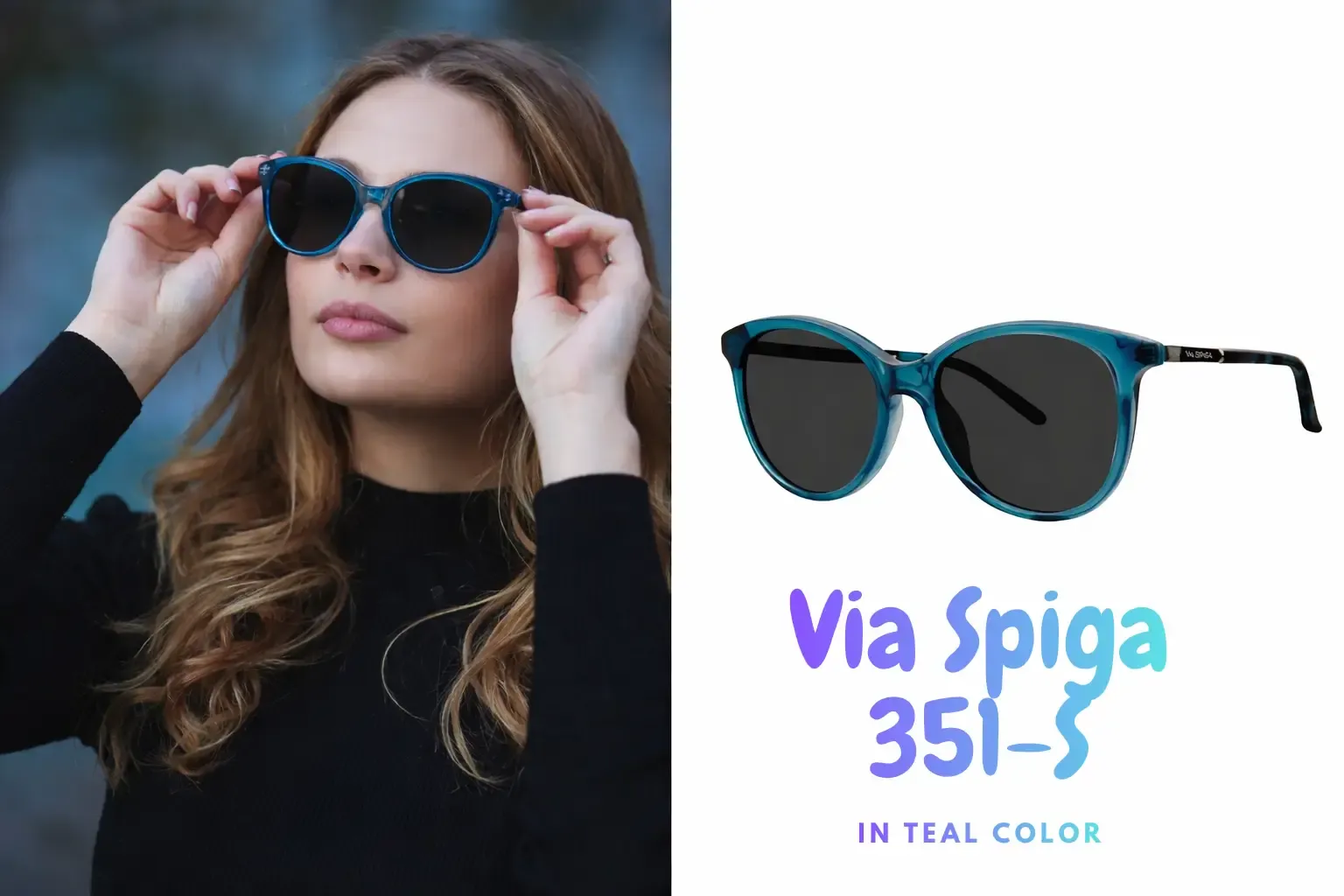
Polycarbonate Safety Lenses
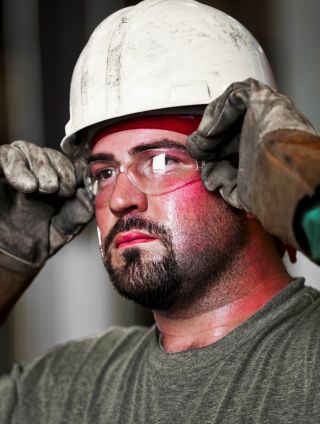
Polycarbonate safety lenses are vital in protecting the eyes of industrial workers. They comply with ANSI Z87.1 standards for high-velocity impact resistance. The lenses serve as a protective barrier against airborne sparks and debris. They are mandatory in many construction and machining job site environments.
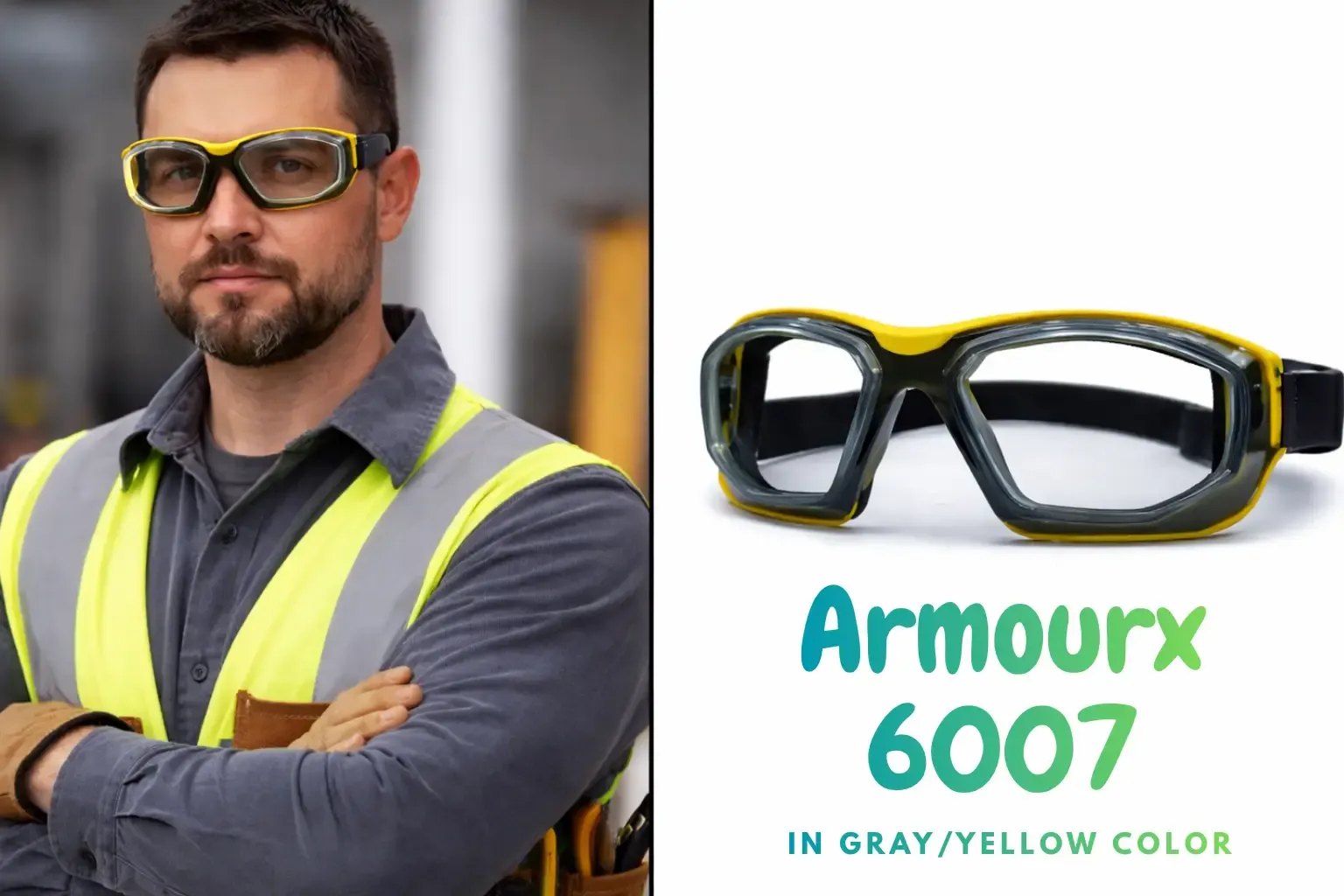
Polycarbonate Lenses Polarized
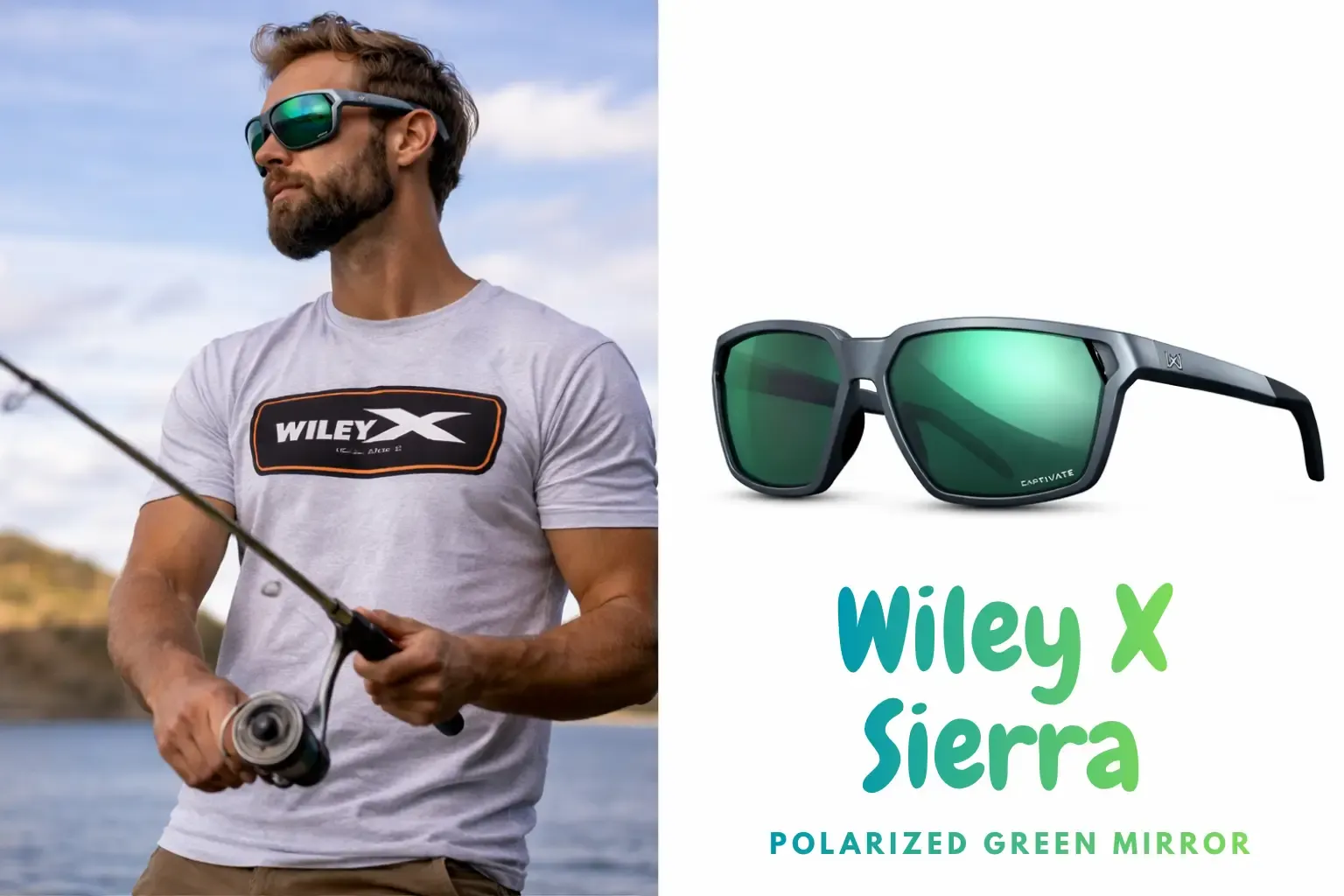
Polycarbonate lenses with the highest level of glare reduction are also available. These blend the ease of polarization with the security of polycarbonate. They are perfect for driving, fishing, and being on the water. They shield your eyes from collisions and obstruct sharp reflections.
Do Polycarbonate Lenses Block UV?
One of the most important questions is: do polycarbonate lenses naturally block UV light? The material itself acts as a very powerful UV filter. It blocks 100% of the sun’s harmful radiation without extra coatings. This is a massive health benefit for your long-term eye health.
Polycarbonate lenses UV400 mean complete protection. They filter all light rays that have wavelengths up to 400 nanometers. This covers both UVA and UVB rays that damage the retina. Protecting your eyes from the sun is built into the material.
Thickness, Index, and Optical Profiles
The refractive index of a lens determines its thickness. Polycarbonate is a mid-index material with a smooth and thin profile. Now we will describe the technical side of its optical performance. Let's explain the technical aspects of its optical performance today.
1.59 Polycarbonate Lenses
The standard refractive index for 1.59 polycarbonate lenses is very common. This index allows the lens to bend light quite efficiently. It is thinner than standard 1.50 index plastic lenses available now. This makes it a great choice for mild to moderate prescriptions.
Index of Polycarbonate Lenses
The index of polycarbonate lenses is specifically set at 1.59. This measurement tells us how thin the lens will actually be. A higher index typically implies a thinner and lighter lens profile. Polycarbonate is in the depth of the optical index range.
Polycarbonate Lenses Thinner
Do polycarbonate lenses feel lighter than your typical plastic glasses? In fact, they are 20% to 25% thinner than CR-39 plastic. As a result, the appearance of your spectacles changes noticeably. Your eyes will not be so big or small.
Standard Polycarbonate Lenses
The majority of standard polycarbonate lenses are already equipped with an inbuilt anti-scratch coating. They are the default choice for many vision insurance plan providers. They offer a reliable and affordable way to get thin lenses. You get a premium look without a very high-end price.
High Index Lenses Polycarbonate
People often ask, " Are high-index lenses polycarbonate or something else? Polycarbonate is not a high index but is technically considered thinner. High index lenses are typically 1.61, 1.67, or 1.74. These are constructed using varied chemical resins rather than the ordinary polycarbonate material.
1.67 Polycarbonate Lenses
Technically, there are no such things as 1.67 polycarbonate lenses in the material. If you require 1.67, you are in a high-index resin region. Polycarbonate tops out at the 1.59 index for most manufacturers. For very high prescriptions, 1.67 high-index resins are usually much better.
Comparative Analysis: Which Is Better?
Choosing a lens involves comparing polycarbonate to other popular optical materials. Every material has its role depending on your special needs. Now we will see how polycarbonate measures up to its competitors.
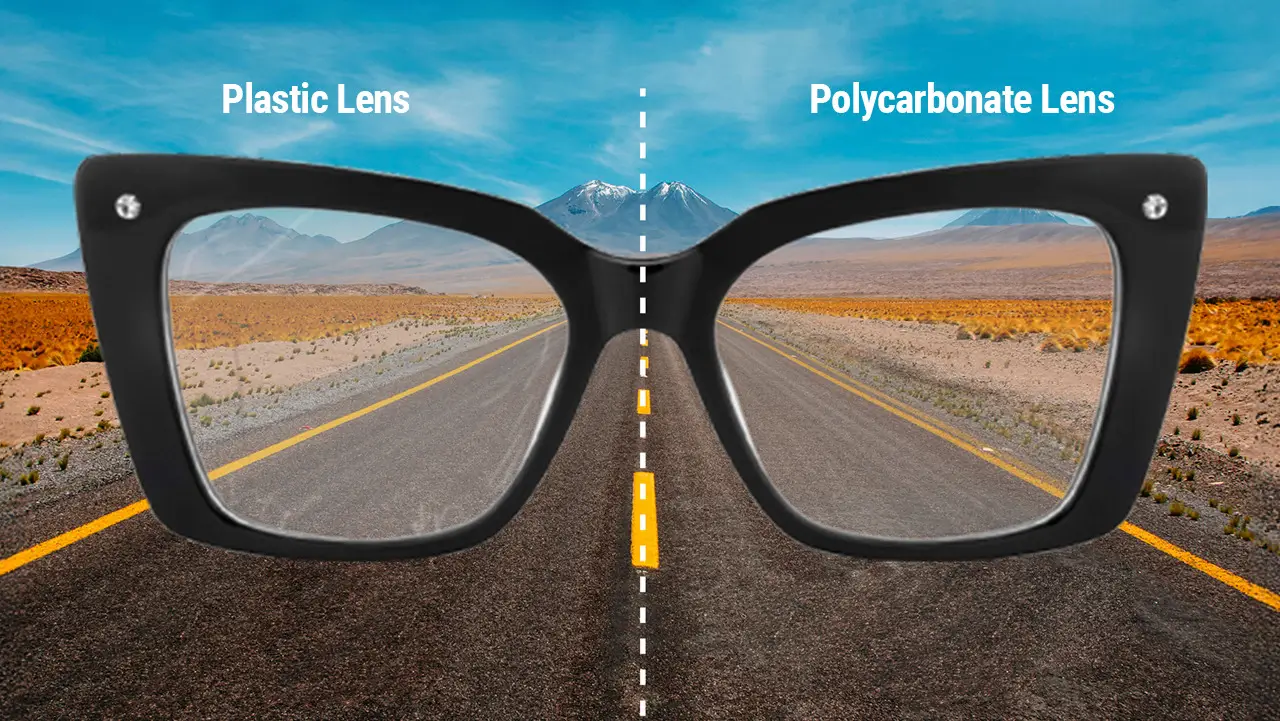
Polycarbonate vs. Plastic Lenses
Polycarbonate versus plastic lenses is a highly popular debate. Standard plastic lenses are thicker and can shatter upon heavy impact. Polycarbonate is much safer and significantly lighter for the wearer today. Plastic offers slightly better optical clarity for those with sensitive vision. But with active users, the winner in this case is usually polycarbonate.
Trivex Lenses vs. Polycarbonate
In the comparison of Trivex lenses vs polycarbonate, the primary consideration is clarity. Trivex also provides a better Abbe value, which implies lower peripheral color distortion. It is also a bit lighter than polycarbonate but has a low index. Polycarbonate is generally more affordable and more widely available for patients. Both are excellent choices for safety frames and children’s daily glasses.
High Index Lenses vs. Polycarbonate
In the comparison of high-index lenses vs. polycarbonate, prescription strength matters. High-index lenses are much better for very strong vision prescriptions. They are thinner and offer better optics for high-power lens requirements. Polycarbonate is better in impact protection and is typically cheaper. Select polycarbonate, which is safe and has a high index, to achieve the most appealing look.
1.67 High Index Lenses vs. Polycarbonate
Comparing 1.67 high-index lenses vs. polycarbonate shows an obvious difference. The 1.67 material is much thinner for those with high nearsightedness. In comparison to the 1.59 polycarbonate, it also provides a clearer visual experience. However, polycarbonate continues to rule the realm of physical impact resistance and durability.
Glass vs. Polycarbonate Lenses
Finally, we will consider glass vs. polycarbonate lenses. Glass provides the highest level of scratch resistance and optics. It is heavy but can break into dangerous pieces. Polycarbonate is much safer and much more comfortable to wear all day. Most safety managers prefer polycarbonate over glass for modern industrial work.
Manufacturing and Material Science
To truly understand the "2000-word" depth of this material, we must look at how it is made. Most lenses are made through a casting process. Here, a mold is filled with liquid resin. The difference between polycarbonate is that it is injection molded.
The crude polycarbonate pellets are heated until they melt fully. Then, the liquid is injected into a lens mold under pressure. It is cooled rapidly to create a solid, clear lens. This process is much faster than traditional liquid casting methods. It also allows for higher consistency in mass production facilities.
Fundamentals of Impact Resistance
Why does polycarbonate stay together when a rock hits it? The material has a high level of "ductility." This means the material can undergo significant deformation. It absorbs the kinetic energy of the object hitting the lens. Instead of reaching a "breaking point," the molecules slide and stretch. This is why it is used in bullet-resistant glass windows. For a glasses wearer, this means total eye socket protection.
Caring for Your Polycarbonate Investment
Since we know the material is soft, maintenance is vital. They should never be cleaned with a paper towel. Sandpaper is made of tiny wood fibers found in paper towels. Your polycarbonate lenses' surface will quickly be destroyed by this.
It is essential to use a clean microfiber cloth to clean daily. Spray on a lens that is coated and safe. When you drop them, look in deep pits or scratches. Although they will not break, severe scratches may undermine the structural integrity. Replacing them every two years is a good optical health habit.
Investment and Decision Guide
You are investing in your everyday visual comfort when you purchase new glasses. Making sure you are receiving the greatest deal is important.
Polycarbonate Lenses Price
The polycarbonate lenses' price is usually very reasonable for most consumers. They cost more than basic plastic but less than high-index. Most people find the price to be a perfect middle ground. Many insurance plans cover the cost of polycarbonate for children’s glasses.
Polycarbonate Lenses Worth
Are polycarbonate lenses worth it for your specific vision needs today? If you value safety and a thin profile, the answer is yes. They provide durability that saves your money on replacement broken lenses. The built-in UV protection also adds to their overall long-term value.
Do I Need Polycarbonate Lenses?
You definitely need them if you play sports or work in construction. They are also highly recommended for any rimless glasses frame style. If you have a mild prescription, you might not need them. However, the safety benefits make them a great choice for everyone.
Are polycarbonate lenses better than the other options on the market? They are "better" if your primary concern is eye safety. They are "better" if you want a lightweight and comfortable feel. For very high prescriptions, high-index materials might be a better choice. Overall, they remain the most versatile lens material in the world.
Eyeweb Polycarbonate Lenses Advantage
At Eyeweb, we take polycarbonate performance to a much higher level. Our lenses are engineered to exceed standard industrial safety requirements. We use premium coatings to ensure your lenses stay scratch-free longer. Every lens we produce undergoes rigorous quality and impact testing procedures. We understand that your vision is your most important daily tool. If you are still unsure how to choose the right lenese, then this topic is for you.
Our specialized digital surfacing technology ensures the highest possible optical clarity. We offer a wide range of frame styles to match. Whether for work or play, our lenses provide total peace of mind. Use our experience to shield your eyes with the finest technology. Experience the difference high-quality polycarbonate can make in your life.