
















Last updated: Monday, October 26, 2026
Glasses face a lot each day. They slide into bags, sit on desks, and occasionally fall to the ground. These common practices can mistakenly scratch the lenses over time. An anti‑scratch coating minimizes this damage and maintains lens clarity for longer.
So what is the purpose of an anti-scratch coating? Does the additional cost make sense? Can you fix it if it begins to peel? Learn more about anti-scratch coatings to choose the best lenses and care for them properly.
What Is Anti‑Scratch Coating and How Does It Work?
Everyday glasses wear out. You set them down and clean them with dirty clothes. Tiny abrasive particles gradually produce micro-abrasions. These tiny surface scratches scatter light, making your vision fuzzy. An anti-scratch coating creates a thin barrier over sensitive lens surfaces. This transparent layer serves as a protective barrier. Your optical material remains smooth, clear, and undamaged.
Types of Anti‑Scratch Coating for Different Lenses
Lens Material | Natural Scratch Resistance | Impact of Anti-Scratch Treatment |
Traditional Glass | Naturally high scratch resistance | Rarely needs additional hard layers |
Standard Plastic | Very low resistance | Essential for daily durability |
Polycarbonate | Extremely soft material | Critical to prevent surface blemishes |
Anti‑Scratch Coating for Plastic Lenses
Standard plastic CR‑39 lenses offer affordable optics. However, they scratch easily during normal daily handling. Anti-scratch coating for glasses makes them harder than soft plastic material. This treatment can triple the life of a regular lens.
Anti‑Scratch Coating for Polycarbonate Lenses
For safety wear, polycarbonate lenses are impact-resistant. They bend easily rather than breaking. The base material is natural, and it scratches easily. An anti-scratch coating glasses layer protects the rigid surface of these tough lenses.
How to Choose the Best Anti‑Scratch Coating for Glasses
For glasses anti-scratch coating, don't fall for the sales promise of quality glasses. Premium treatments bond to the molecular structure of the lens instead of forming a loose surface film. Consult your lab for factory dual applications. The factory-cured thermal treatments are more durable than the spray-on treatments alone. Make sure your anti‑scratch glasses coating is clear and doesn't cause any distracting glare.
Is Anti‑Scratch Coating Worth It?
A good lens protector can pay for itself in no time. Often, unprotected lenses will break down after months of use. The cost of replacing lenses with scratches can quickly get expensive. An anti-scratch coating on glasses' surface will last much longer. You enjoy clear vision and save money over time. For workers and busy professionals, this treatment is an absolute necessity.
How Much Does Anti‑Scratch Coating Cost on Glasses?
Pricing varies depending on your provider and lens material. Many basic packages include eyeglass anti‑scratch coating automatically. Advanced multi‑layer treatments bundled with anti‑reflective properties usually cost between fifteen and fifty dollars. Considering how long it protects your investment, the upgrade offers value.
What to Do When Anti‑Scratch Coating on Glasses Is Coming Off
Sometimes protective layers fail prematurely. You might notice a spider web cracking pattern or peeling edges across your lenses. Once a lens coating begins to flake, it distorts your vision permanently. Home remedies cannot rebond a film. For an expert evaluation, see your optician. The manufacturer will replace your lenses for free if they are still under warranty.
How to Remove Anti‑Scratch Coating from Glasses
Rarely is it successful to remove a peeling lens coating at home. The underlying lens optics are destroyed by using common household chemicals or abrasive pads. Professional replacement is the safest course of action if extreme peeling is impairing your vision. Don't attempt DIY stripping techniques.
Can You Use Anti‑Scratch Coating Spray on Glasses?
Substitute liquid sprays that promise to repair lenses are sold on a lot of online sites. These retail items exclusively use silicone or wax to seal microcracks. After a cleaning cycle, they come off. A true optical anti-scratch coating for eyeglasses must be cured in specialist lab equipment. Sprays don't provide any defense.
What Is Anti‑Fog and Anti-Scratch Coating for Safety Glasses?
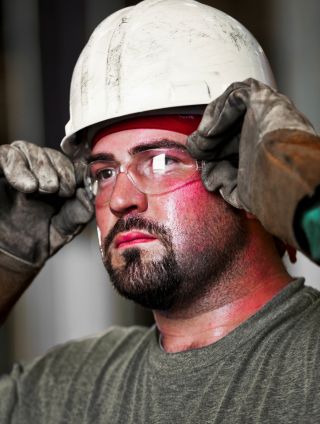
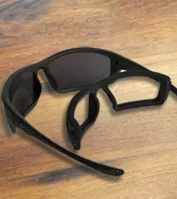
Industrial workers face environmental challenges on the job site. I have seen industrial workers struggle with fogging lenses when humid air hits them and causes fog to form instantly. Combining an anti‑scratch coating for eyeglasses with a layer solves both problems at once. You receive a shield against flying debris and crystal‑clear vision when temperatures change.