

















Last updated: Tuesday, September 1, 2026
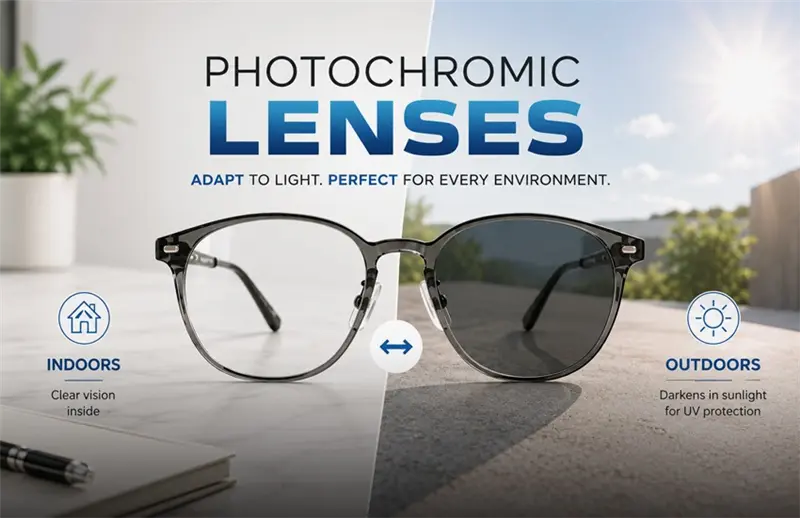
Changing your eyeglasses every time you walk outside gets tiresome quickly. Carrying an extra glasses case isn't always convenient. Photochromic lenses are useful in this situation. That's where photochromic lenses can help. These smart lenses automatically change tint. They get darker in the presence of sunlight and remain clear indoors.
Millions of people choose photochromic lenses for glasses for smooth daily vision. They eliminate the hassle of switching back and forth. You get clear vision and sun defense in one pair. This guide covers everything about these light-adaptive options. We will look at how they operate, what they do in daily use, the colors available, and some potential issues.
What Are Photochromic Lenses?
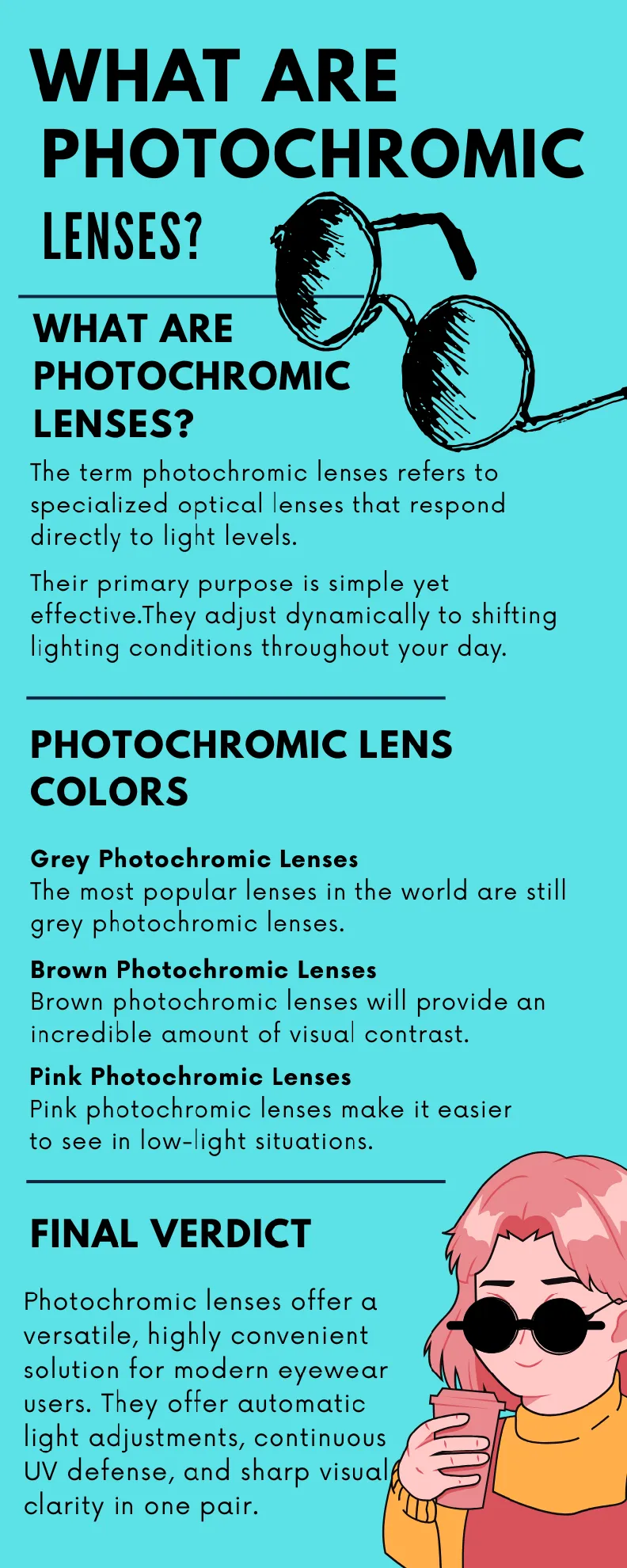
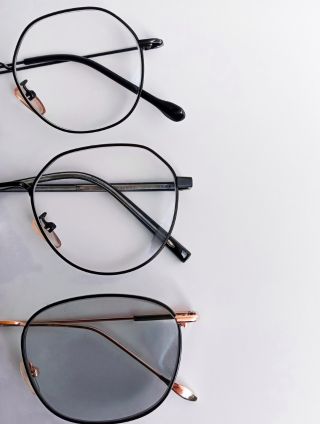
The term photochromic lenses meaning refers to specialized optical lenses that respond directly to light levels. Their primary purpose is simple yet effective. They adjust dynamically to shifting lighting conditions throughout your day. Indoors, they look just like regular clear optical lenses. Step outside, and they quickly darken into protective shades. They work well for everyday use. In a variety of lighting situations, they make your vision more comfortable.
How Do Photochromic Lenses Work?
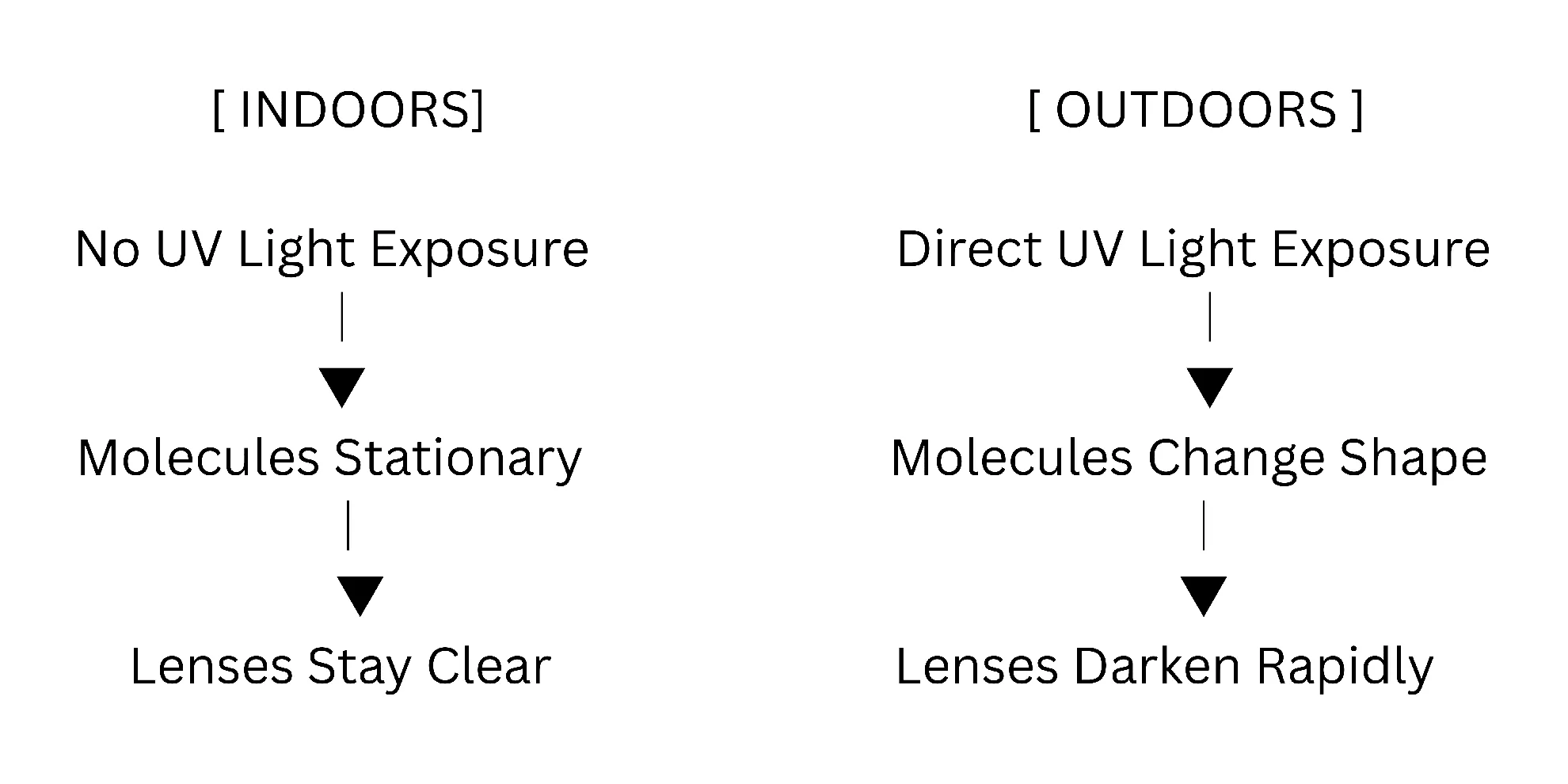
Trillions of light-sensitive molecules are coated or inserted in photochromic lenses. Silver halides and oxazines are used to color the lens interior. Invisible UV photons cause a chemical reaction when sunlight hits the lens. These tiny molecules experience fast structural orientation and shape changes.
With this exchange, they absorb the visible light, darkening the lens. Once you come out of direct sunlight, UV exposure stops. The molecules are slowly moving back to their original, completely clear state. Although these are the advantages of photochromic lenses, there are also disadvantages. The tinting effect completely disappears after a few moments when walking indoors. That keeps your frames clear indoors while reading, working, or cooking.
Types of Photochromic Lenses
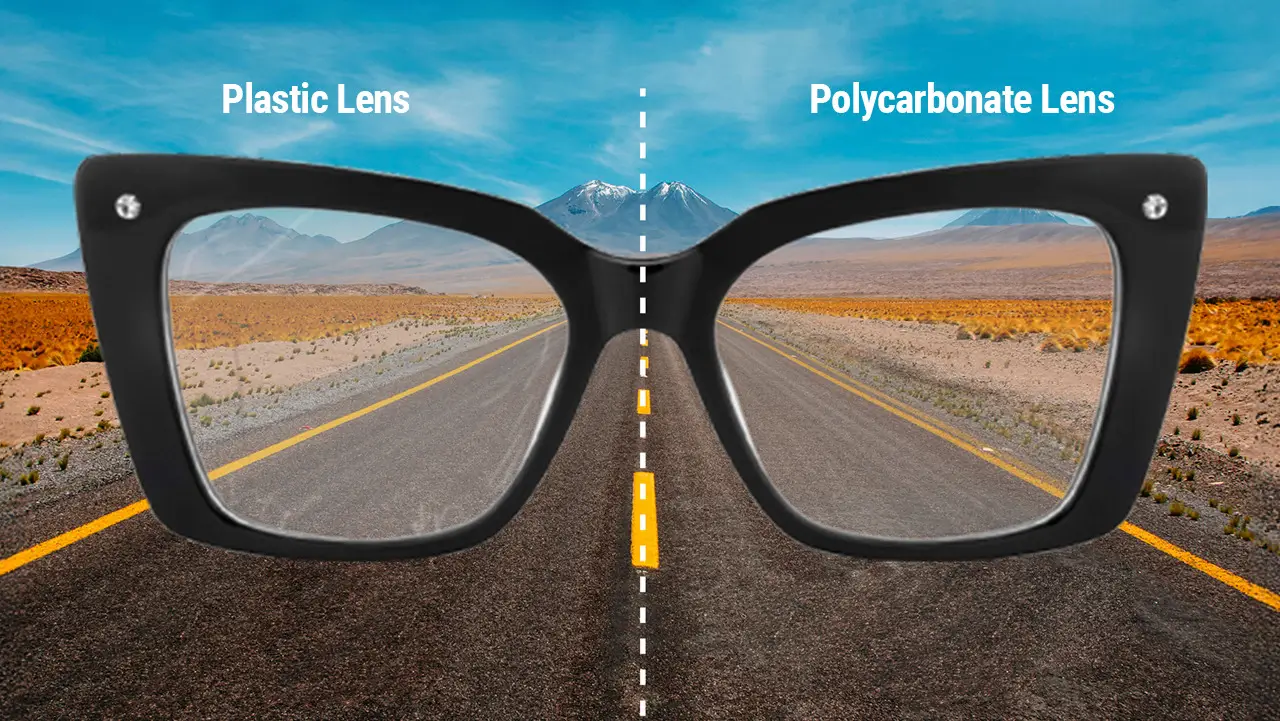
Manufacturers create a variety of photochromic lenses to meet specific requirements. Lightweight polycarbonate and extremely thin high-index polymers are among the available materials. Traditional glass options also exist for high scratch resistance.
Activation technologies vary across different manufacturing methods. Some lenses use in-mass technology, where light-sensitive dyes mix throughout the material. Others use surface-impregnation layers applied directly to the front face.
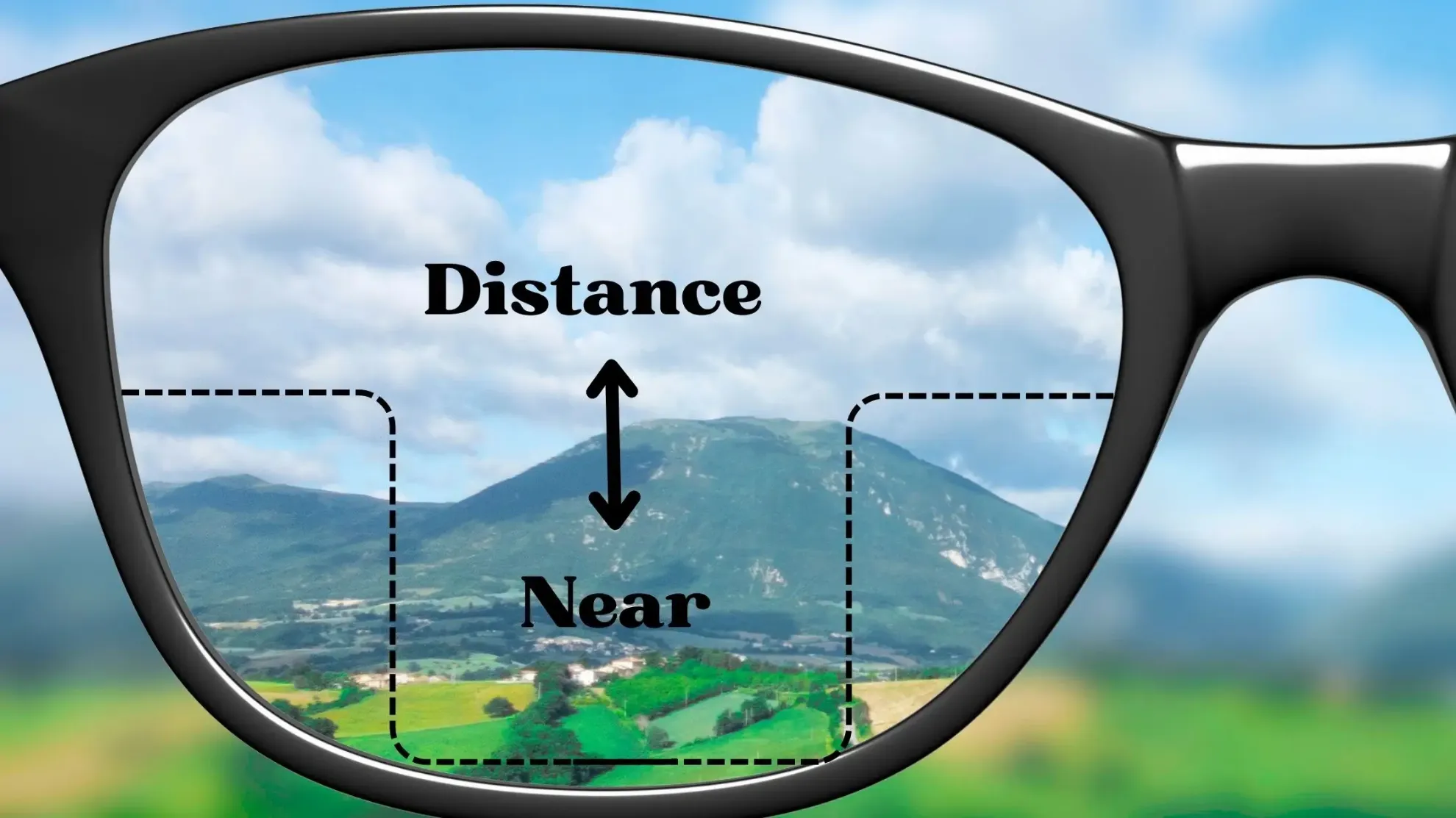
You can find these light-adaptive options in virtually any vision prescription. They work smoothly for single-vision, bifocal, and progressive reading designs. Specialized options exist for intense outdoor sports, daily driving, and office computer work.
Benefits of Photochromic Lenses
The two main benefits of photochromic lenses are eye protection and daily comfort. You enjoy automatic light adjustments without carrying multiple frames around. They provide continuous shield protection against harmful ultraviolet rays.
- Decreased glare and eye strain during transitions outside
- Less need to carry separate sunglasses everywhere
- Continuous protection against daily UV exposure
- Cost savings by replacing two pairs with one frame
- Versatility for indoor desk work and outdoor walking
Disadvantages of Photochromic Lenses
While photochromic lenses are convenient, they also have drawbacks. When you walk indoors, the tint change takes a very short time to fully eliminate. Temperature strongly influences chemical performance. Lenses darken much faster in cold weather than on hot summer days.
Standard options struggle to darken inside cars because windshield glass blocks UV rays. Premium adaptive technology also costs more upfront than basic clear lenses. Different optical brands react at slightly different speeds, so performance varies.
Photochromic Lenses Pros and Cons
Comparing features directly helps clarify whether adaptive options match your routine.
Feature Category | Key Advantages (Pros) | Notable Limitations (Cons) |
Adaptability | Automatically adjust to changing outdoor light. | Require a short fade-back delay indoors. |
Eye Protection | Provide full, continuous UV radiation defense. | Standard models fail to darken inside cars. |
Convenience | Reduce the need for separate sunglasses. | Cold temperatures alter transition speeds. |
Style Options | Available in different colors and finishes. | Higher initial cost than basic clear lenses. |
The balanced photochromic lenses pros and cons show strong daily utility alongside few compromises.
Are Photochromic Lenses Good?
Photochromic lenses work well for your particular lifestyle. They are perfect for someone who is busy and constantly switches between indoor and outdoor activities.
For permanent glare reduction, committed drivers may use conventional polarized sunglasses. Adaptive technology may not be necessary for people who work only indoors in stable lighting.
Photochromic Lenses vs Transition Lenses
The general scientific term for the lens chemistry that changes with light exposure is “photochromic.” Transitions is actually a widely used brand name by EssilorLuxottica. Transitions® is one of the best-known brands, but several manufacturers now offer high-quality photochromic lenses with different features, colors, and transition speeds.
Photochromic Lens Colors
For activities, modern manufacturing offers several colors of photochromic lenses for you. Selecting the right colour enhances contrast, beauty, and clarity.
Grey Photochromic Lenses
The most popular lenses in the world are still grey photochromic lenses. Photochromic "grey" lenses maintain natural color balance and evenly reduce bright glare throughout the spectrum.
Brown Photochromic Lenses
Brown photochromic lenses will provide an incredible amount of visual contrast. They improve depth perception, so they're excellent for golf, fishing, and walking out.
Blue Photochromic Lenses
Blue photochromic lenses are contemporary and trendy. They eliminate the intense yellow light, and they offer clear, cool vision in bright outdoor conditions.
Pink Photochromic Lenses
Pink photochromic lenses make it easier to see in low-light situations. They provide a hint of color and reduce the harshness of indoor fluorescent lights.
Are Photochromic Lenses Polarized?
Photochromic lenses are not polarized by default. They serve completely different visual functions. Standard photochromic lenses darken without filtering reflective glare from water or snow. However, advanced hybrid lenses now combine both technologies into a single frame for maximum outdoor clarity.
Do Photochromic Lenses Block UV?
Most high-quality photochromic lenses provide nearly 100% UVA and UVB protection. Always check the manufacturer's specifications. They shield your eyes even when clear on cloudy days.
Do Photochromic Lenses Block Blue Light?
Digital devices emit blue light, which is filtered out using photochromic lenses. Hazardous high-energy visible (HEV) blue light is naturally blocked by modern photochromic lenses.
They absorb blue light from indoor computer monitor emissions, natural light, and the outdoors. However, blue-light coatings provide more protection if you spend a lot of time in front of a screen.
Do Photochromic Lenses Work in the Car?
Photochromic lenses don't work in the car effectively. Standard options struggle behind vehicle steering wheels. Automotive windshields naturally block the ultraviolet rays required to trigger the chemical reaction. Fortunately, specialized driving lenses now exist.
Photochromic Sunglasses
Photochromic lenses sunglasses deliver reliable performance across changing weather conditions. They suit travel, weekend sports, and long daily walks perfectly.
Instead of swapping frames when clouds roll over, your tint adapts smoothly. You maintain ideal tint coverage from sunrise through twilight hours.
Photochromic Lenses for Cycling
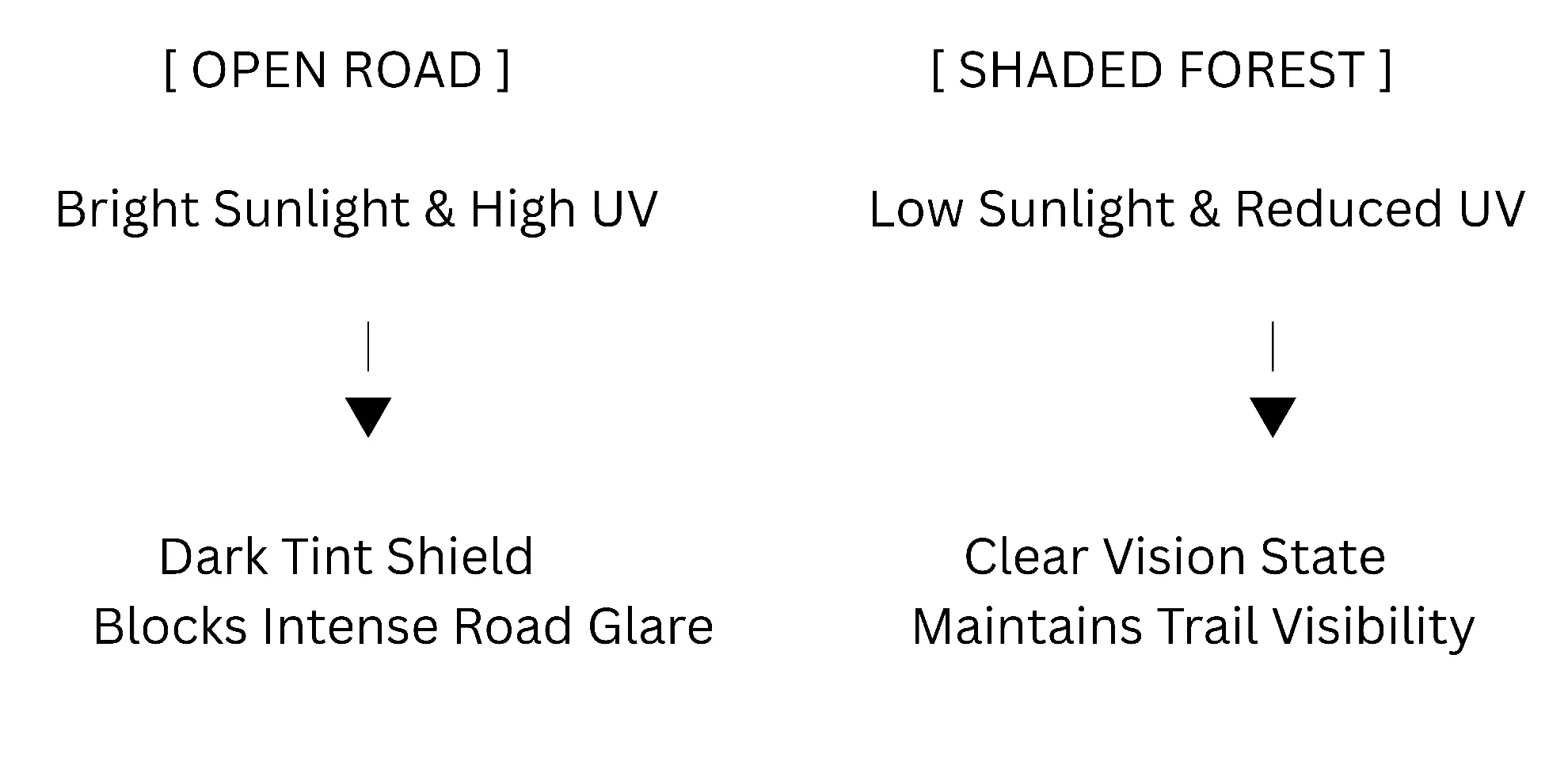
Dedicated cyclists should wear photochromic lenses in their sunglasses. The mountain bike tracks change quickly from open roads to dark woods.
Photochromic lenses for cycling help to prevent sudden blindness at the moment of entering dark tree canopies. Your eyes stay shielded from wind, dust, and insects without losing road visibility.
Final Verdict
Photochromic lenses offer a versatile, highly convenient solution for modern eyewear users. They offer automatic light adjustments, continuous UV defense, and sharp visual clarity in one pair. While temperature sensitivity and driving limitations exist, specialized options easily solve these limitations.
Limitations include slower activation in cars and variable performance by brand. Before investing, think about your particular needs. The biggest users are drivers, outdoor laborers, and sports fans. We help you find the best solutions that meet your requirements.
Additionally, you have access to detailed product data, so before you buy, you can confirm the color options and UV protection. Eyeweb helps you find premium eyewear that meets your vision and safety needs, from prescription lenses for daily wear to photochromic lenses for industrial use.